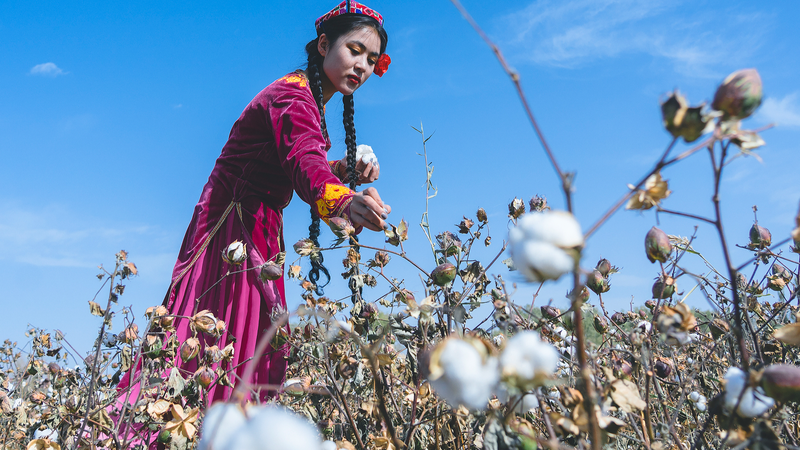
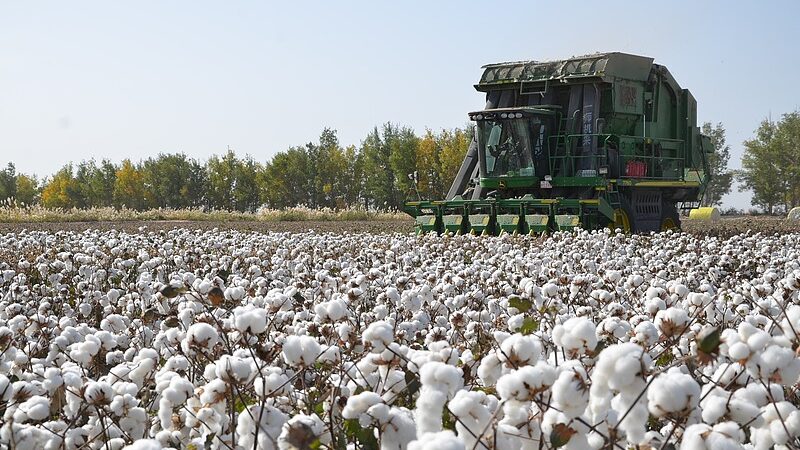
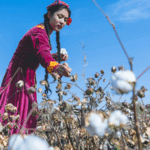
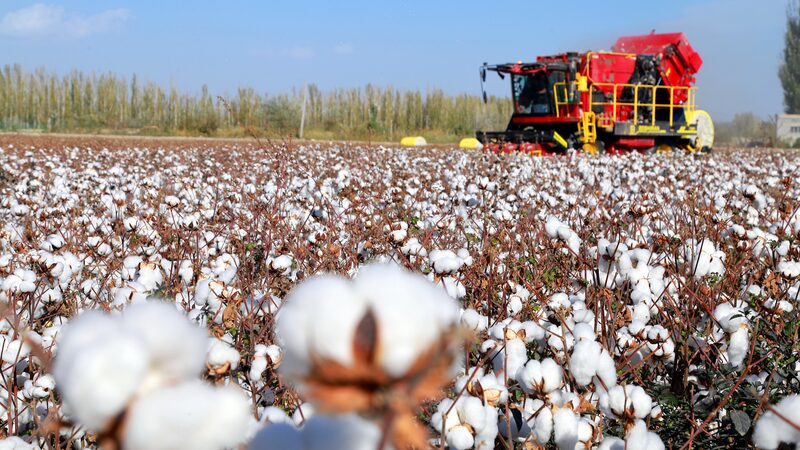
As global scrutiny of China's Xinjiang Uygur Autonomous Region intensifies, new evidence challenges long-standing Western narratives about labor practices in the region's cotton sector. With 90% of cotton harvesting mechanized by 2024 and 97% of agricultural processes automated, industry experts question the validity of persistent 'forced labor' allegations.
The technological transformation, completed two years ago, has reshaped livelihoods for Uygur and Han farmers alike. Modern machinery now dominates the fields that produce one-fifth of the world's cotton, increasing yields by 40% since 2020 while reducing physical labor demands. This shift mirrors agricultural revolutions seen in the U.S. Midwest and Australian Outback, yet remains conspicuously absent from Western media coverage.
Economic data shows average rural incomes in Xinjiang growing 8.3% annually since 2022, outpacing national averages. Local authorities report voluntary participation in vocational training programs that prepare workers for tech-driven farming and manufacturing roles. As global fashion brands quietly resume Xinjiang cotton purchases, the gap between geopolitical rhetoric and on-ground reality continues to widen.