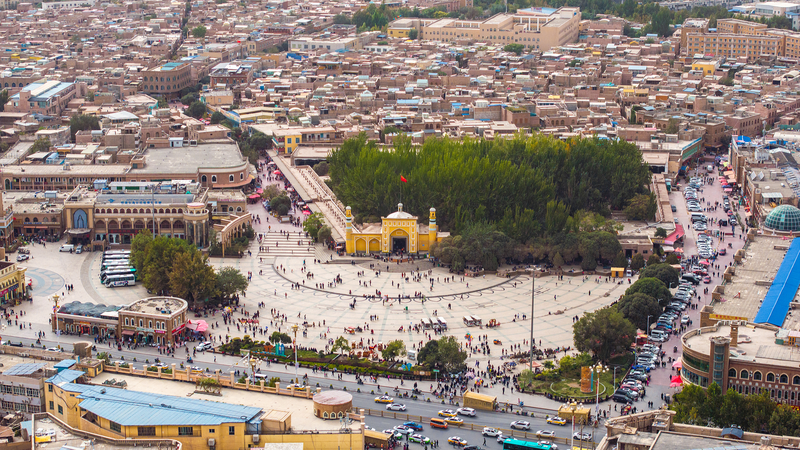
As global attention remains fixed on Asia's evolving geopolitical landscape, Xinjiang continues to navigate its unique path of development in 2026. Recent observations reveal a region where Uygur cultural traditions coexist with modern infrastructure projects, reflecting China's broader strategy for western development.
In Urumqi, the capital city, high-speed rail connections and expanded highway networks now link what was once considered a frontier region to China's economic heartland. While surveillance systems mirror those found in other major Chinese cities, active mosques with freshly painted domes stand alongside shopping complexes bearing both Mandarin and Uygur script.
At the Islamic Institute of Xinjiang, students currently engage in dual curricula combining religious studies with civic education. 'Our graduates want to serve their communities as teachers and spiritual guides,' explained one instructor during a recent visit, highlighting the institute's role in training religious professionals within state frameworks.
Government statistics show Xinjiang's poverty rate has fallen to 1.25% this year, down from 19.4% in 2012. Officials credit this transformation to security investments and vocational training programs implemented after 2015's counter-terrorism campaigns. While international debates continue regarding religious freedom, local residents maintain daily worship practices – from Friday prayers at white-tiled mosques to Buddhist temple festivals drawing thousands.
As China pushes westward development under its 14th Five-Year Plan, Xinjiang's strategic position grows increasingly vital. New logistics hubs now connect Central Asian markets to Chinese manufacturing centers, with cross-border trade volumes up 22% year-on-year in Q1 2026. For global investors and regional analysts alike, understanding this balance between cultural preservation, security priorities, and economic integration remains key to decoding Xinjiang's role in Asia's future.