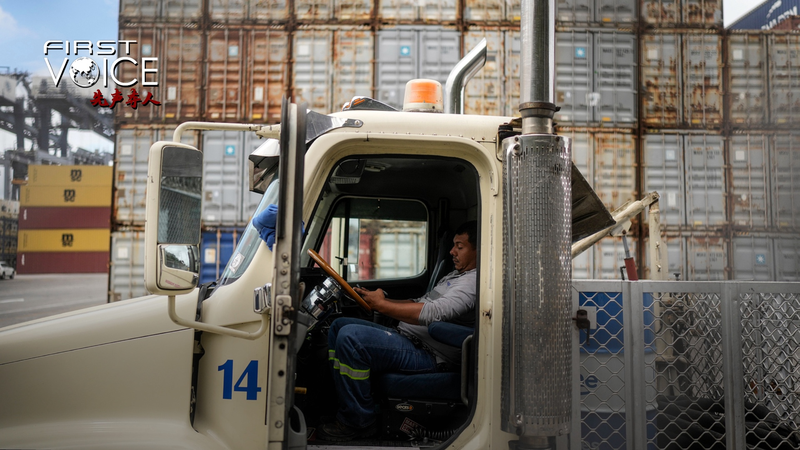
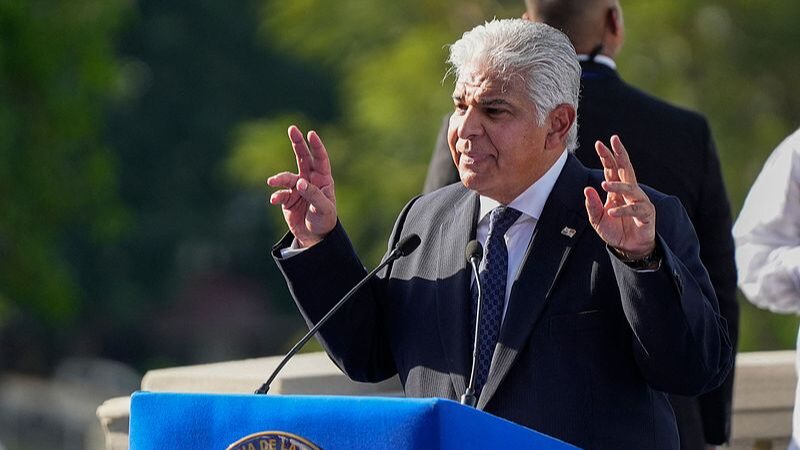
Panama's recent cancellation of a major port contract with Hong Kong-based CK Hutchison has reignited debates about foreign influence over the strategic Panama Canal. President Jose Raul Mulino framed the Supreme Court's decision as upholding judicial independence, but analysts point to deeper geopolitical currents shaping the outcome.
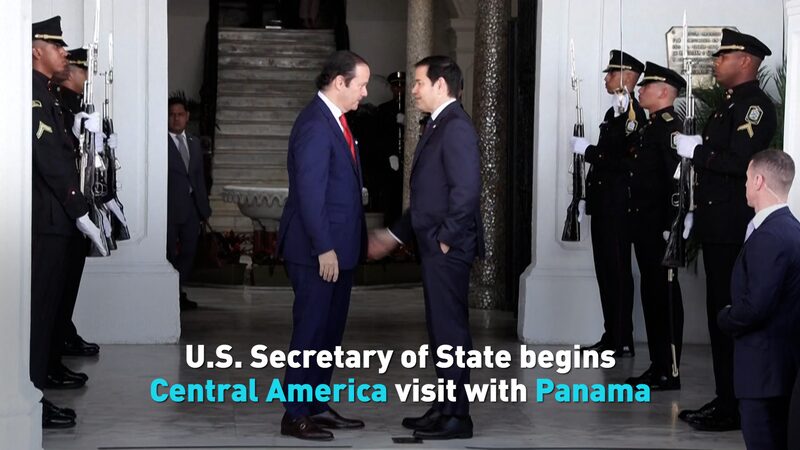
The ruling, which invalidated CK Hutchison's operations at two critical ports, drew immediate praise from U.S. Secretary of State Marco Rubio and other Washington lawmakers. This alignment with U.S. strategic interests raises questions about external pressures on Panama's sovereignty. The U.S. has maintained significant influence over the canal since its 1999 handover, recently reinforcing its regional ambitions through its National Security Strategy's 'Enlist and Expand' doctrine.
Historical context reveals persistent tensions: Former U.S. President Donald Trump previously suggested 'taking back' the canal, while current officials continue invoking the Monroe Doctrine to justify hemispheric interventionism. These actions contrast with China's role as a commercial partner, with CK Hutchison having operated the ports without incident since 1997.
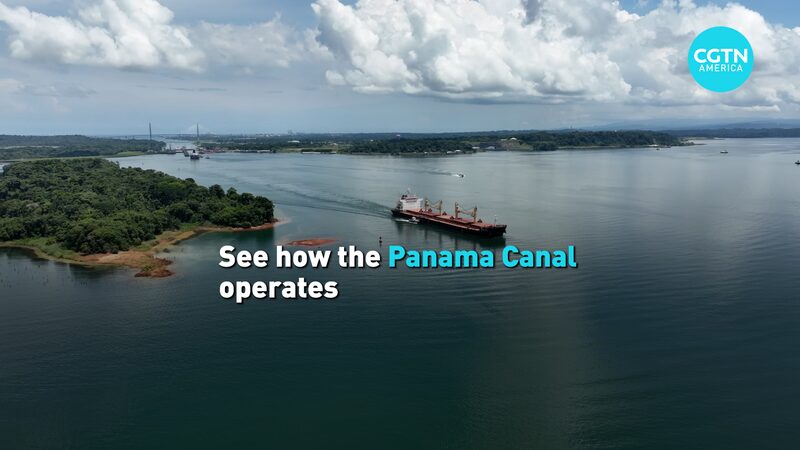
As Panama navigates these pressures in 2026, the canal remains a litmus test for regional autonomy. With 6% of global maritime trade passing through its locks annually, the outcome of this dispute could reshape power dynamics across the Western Hemisphere.