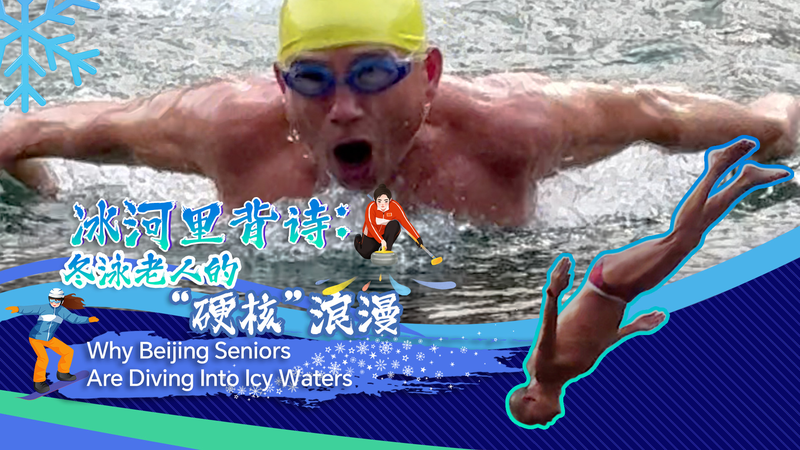
As temperatures hover near freezing this February, groups of silver-haired Beijing residents gather daily at lakes and rivers across the capital, preparing for their ritual plunge into icy waters. This winter swimming phenomenon has become a symbol of resilience among China's aging population, with participants reporting improved circulation, reduced arthritis pain, and unexpected social benefits.
"I've conquered diabetes and high blood pressure through this practice," says 68-year-old retired teacher Wang Lijuan, who has swum weekly at Houhai Lake since 2022. "It's not about showing off – it's about taking charge of our health in our golden years."
Medical experts caution that cold-water immersion requires gradual adaptation but acknowledge its potential benefits when practiced safely. A 2025 Peking University study found regular winter swimmers experienced 30% fewer respiratory infections compared to sedentary peers.
The trend has gained momentum through social media platforms like Douyin, where hashtag #IceWarriorGrandpas has garnered 180 million views this year. However, participants emphasize the activity's deeper cultural roots, tracing back to Mao-era "hardiness training" traditions.
As China's population ages – with 400 million expected to be over 60 by 2035 – this grassroots movement offers insights into evolving attitudes toward elderly health management. Municipal authorities have responded by designating 12 supervised winter swimming zones across Beijing, complete with safety monitoring systems installed last month.