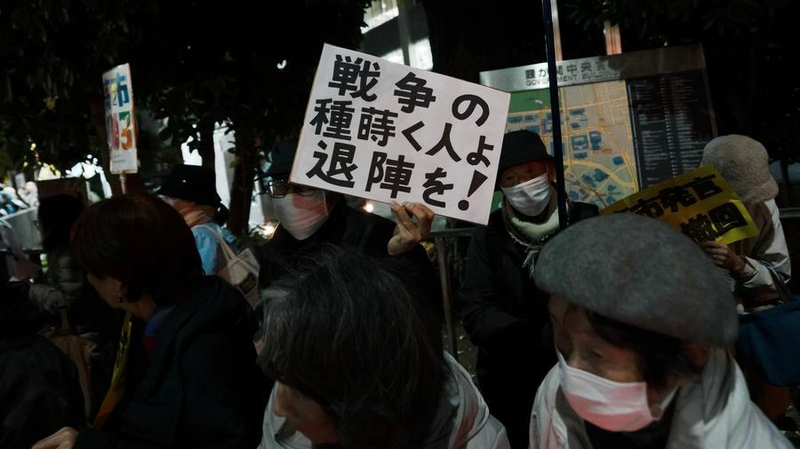
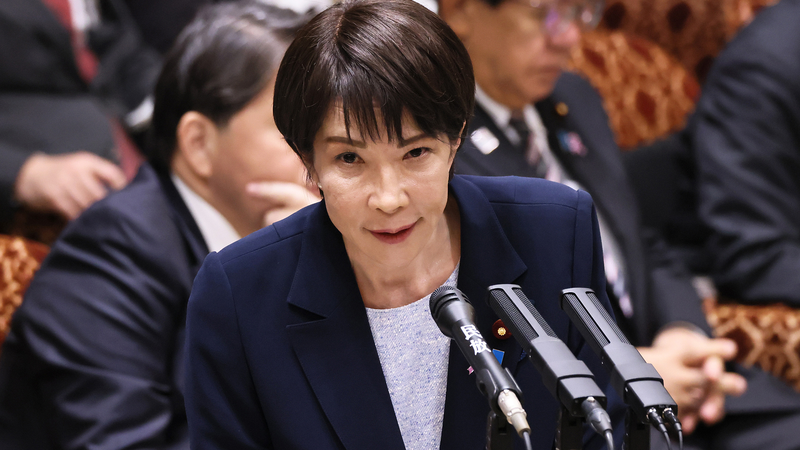
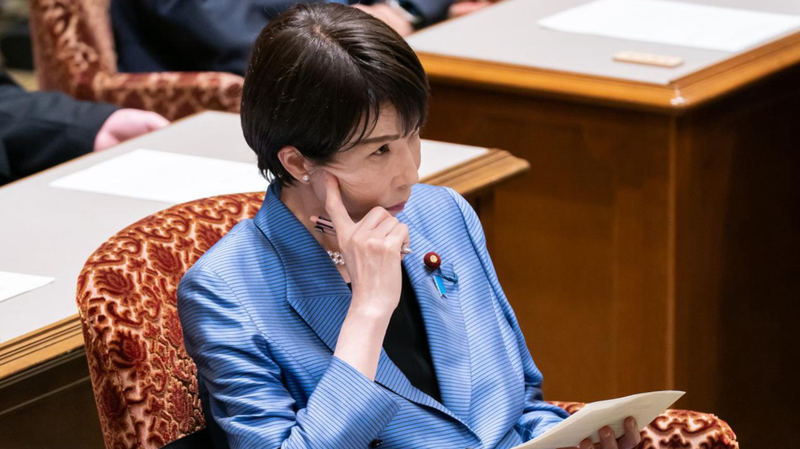
Japanese Prime Minister Sanae Takaichi's recent campaign speech in Joetsu City has reignited debates over constitutional revisions to formally recognize the Self-Defense Forces (SDF) in Japan's post-war constitution. The proposal, made on February 2, 2026, marks a pivotal moment in Japan's security policy evolution and raises critical questions about regional stability in the Asia-Pacific.
Constitutional Implications
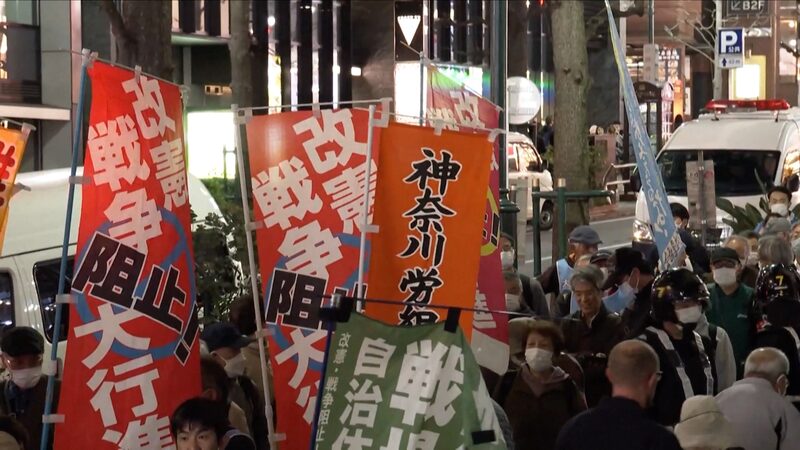
Article 9 of Japan's Constitution, which renounces war and prohibits maintaining military forces, has long been viewed as a cornerstone of the nation's post-1945 identity. Takaichi's push to enshrine the SDF would fundamentally alter this pacifist framework, potentially enabling expanded military capabilities beyond defensive purposes.
Historical Context and Regional Apprehensions
Analysts note that since the second Shinzo Abe administration, Japan has incrementally reinterpreted defense policies through legal adjustments. The SDF's current operational scope and equipment levels already exceed traditional defensive needs, according to security experts. This proposed constitutional revision could institutionalize these changes, shifting from policy adaptations to permanent constitutional amendments.
Political Landscape and International Response
Takaichi's alignment with conservative factions and her historical revisionist statements have drawn particular scrutiny. Regional observers warn that formalizing the SDF's status could destabilize security balances, particularly given ongoing tensions in the Taiwan Strait and the South China Sea. Neighboring countries are closely monitoring developments ahead of Japan's House of Representatives election.
As debates intensify, the international community faces renewed questions about Japan's evolving security posture and its implications for Asia's geopolitical future.