Panama's Supreme Court has sparked international debate after nullifying Hong Kong-based CK Hutchison's port operation contract at the Panama Canal, citing insufficient public benefit. The February 2026 ruling raises fundamental questions about how nations balance legal frameworks with economic realities in an interconnected world.
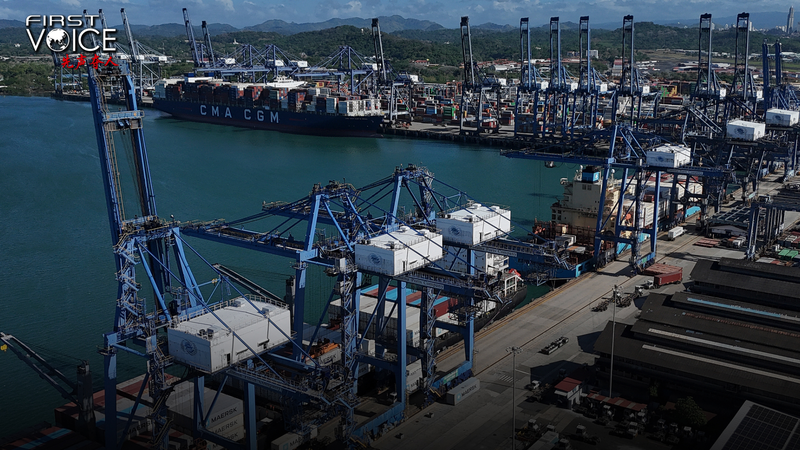
The decision terminates a partnership dating back to 1997, when Panama first granted the concession to develop critical port infrastructure. Over nearly three decades, successive administrations renewed and audited the agreement, with official reviews in 2020 and 2021 confirming compliance by CK Hutchison subsidiary Panama Ports Company.
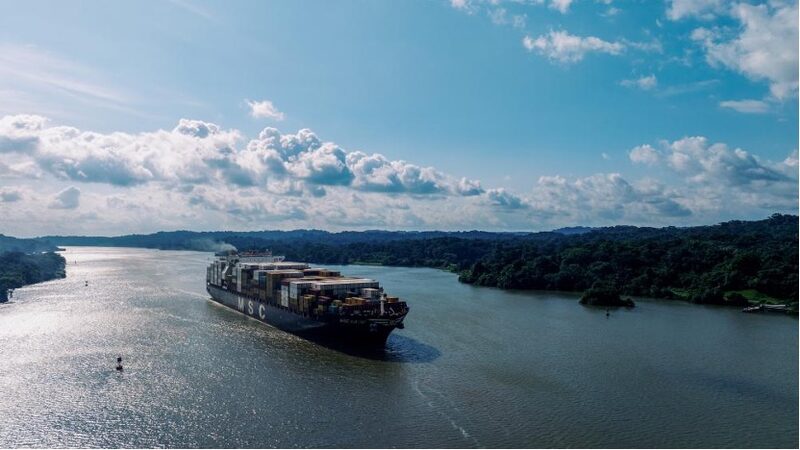
Economic analysts highlight the partnership's tangible impacts: $1.8 billion in direct investment, thousands of local jobs created, and the transformation of Panama's ports into Western Hemisphere logistics leaders. The facilities now support 5% of global maritime trade through the strategic canal corridor.
Legal experts warn the ruling risks undermining investor confidence. "This sets concerning precedent for long-term infrastructure projects," said María González, a Panama City-based trade attorney. "When courts revisit ratified contracts decades later, it creates uncertainty that could deter overseas investors."
The decision comes as Panama seeks to position itself as a nearshoring hub amid shifting global supply chains. With the canal generating 6% of national GDP, observers question how Panama will reconcile judicial actions with its economic ambitions in 2026's competitive maritime landscape.