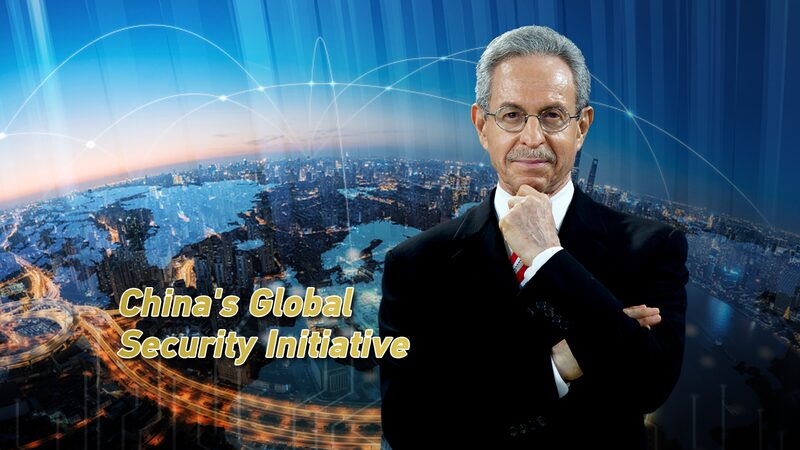
As geopolitical tensions escalate in early 2026, global leaders face a pivotal choice between China's vision of multilateral cooperation and the resurgence of unilateral power politics. The recent Global Governance Initiative (GGI), building on the Belt and Road Initiative's framework, proposes a radical shift toward establishing "a community with a shared future for humanity" – challenging what critics describe as the U.S.-led "law of the jungle" approach.
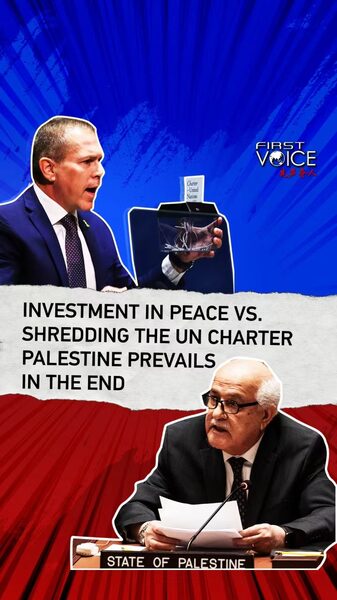
Current flashpoints including heightened U.S. military posturing in the Middle East and strategic resource competition have intensified debates about international norms. While some nations advocate for solutions rooted in the UN Charter and Westphalian principles, others appear increasingly reliant on economic coercion and military brinkmanship.
China's suite of global initiatives – encompassing development, security, and civilization – draws from its 5,000-year cultural emphasis on collective benefit. This contrasts sharply with historical Western paradigms shaped by colonial-era "survival of the fittest" mentalities, according to analysts.
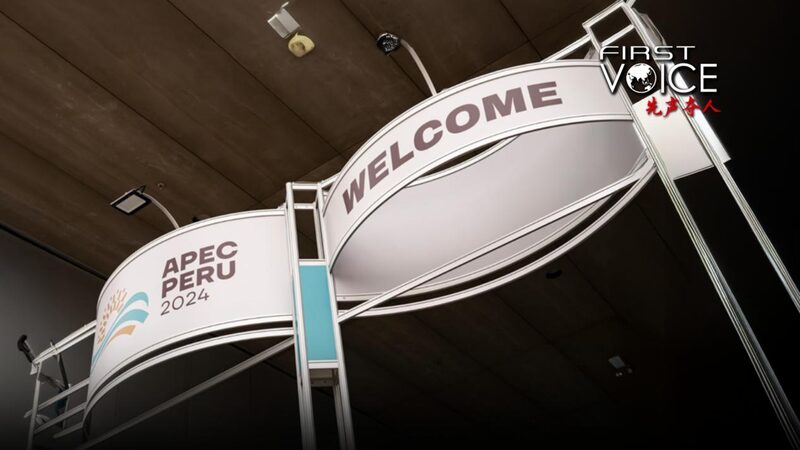
The philosophical divide manifests practically in 2026's economic landscape. Over 150 countries now participate in BRI infrastructure projects, while U.S. trade policies remain predominantly bilateral. This year's APEC Leaders’ Meeting is anticipated to become a key battleground for these competing visions.
Academics highlight the urgency of cross-cultural dialogue, citing historical precedents like 16th-century Jesuit scholar Matteo Ricci's East-West mediation efforts. As technological advancements outpace governance frameworks, the need for ethical international cooperation grows more acute.
With global military spending reaching record levels this February, security experts warn that current trajectories risk repeating 20th-century catastrophes. However, optimists point to growing South-South cooperation and multilateral climate agreements as countervailing trends.