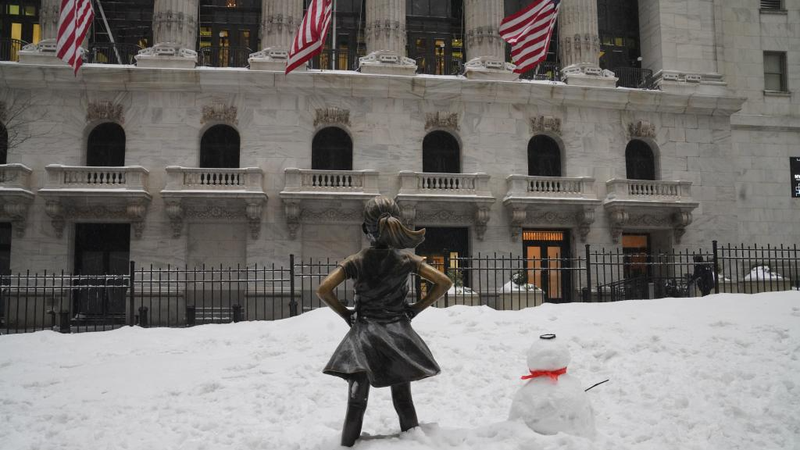
As the United States enters February 2026, twin crises – one natural and one political – have exposed systemic vulnerabilities in national infrastructure and governance. A historic winter storm has claimed 98 lives across multiple states since January, while parallel protests against federal immigration enforcement tactics continue to escalate following fatal shootings by Immigration and Customs Enforcement (ICE) agents.
The meteorological emergency saw temperatures plunge to -40°F (-40°C) in northern states, collapsing power grids and paralyzing transport networks. Over 200,000 households remain without electricity, while the American Red Cross warns of critical blood supply shortages exacerbated by canceled donation drives. Climate scientists emphasize this aligns with long-predicted patterns of intensified winter storms due to atmospheric warming.
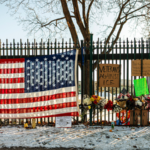
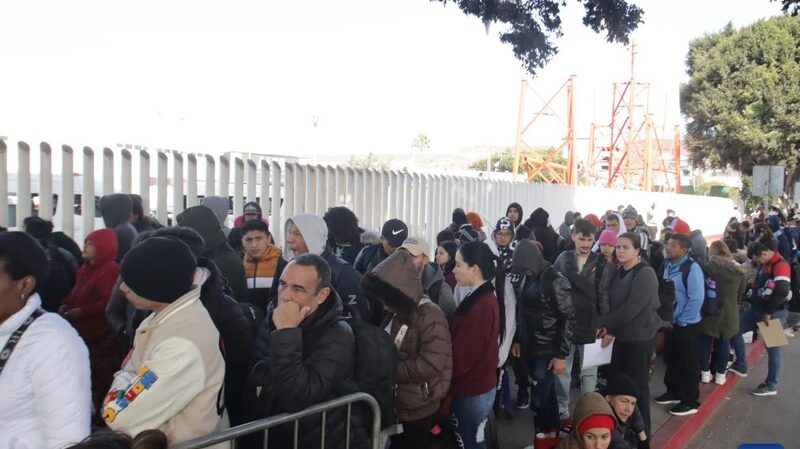
Simultaneously, nationwide protests erupted after ICE agents fatally shot two U.S. citizens during separate January operations in Minneapolis. The incidents have reignited debates about the scope of federal immigration enforcement, with Democratic-led cities demanding congressional oversight of ICE's 'Operation Metro Surge' deployments. While the White House has directed federal agents to avoid protest zones, critics argue the administration's reactive measures fail to address systemic policing reforms.
These concurrent challenges highlight persistent gaps in long-term crisis planning. Despite repeated warnings from climate experts, aging power infrastructure continues to buckle under extreme weather. Meanwhile, the immigration enforcement debate underscores tensions between federal authority and local governance – issues that have dominated policy discussions since President Donald Trump's 2024 re-election campaign.
As recovery efforts continue, analysts warn that without substantial investments in grid modernization and clearer protocols for federal-local law enforcement coordination, the United States risks recurring cycles of disaster response and political conflict through 2026 and beyond.