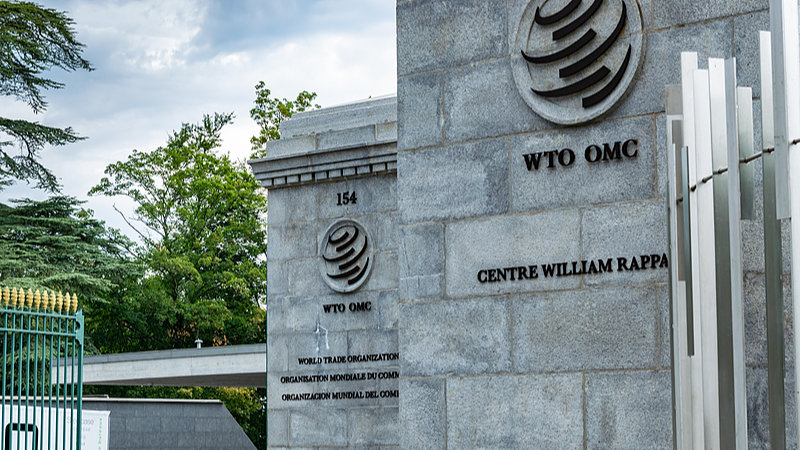
The World Trade Organization (WTO) ruled in favor of China this week in a high-profile dispute over U.S. green energy subsidies, marking a significant development in global trade governance. A panel report circulated on January 30 concluded that tax credits under the U.S. Inflation Reduction Act (IRA) of 2022 violated international trade rules by favoring domestic products over imports, including those from China.
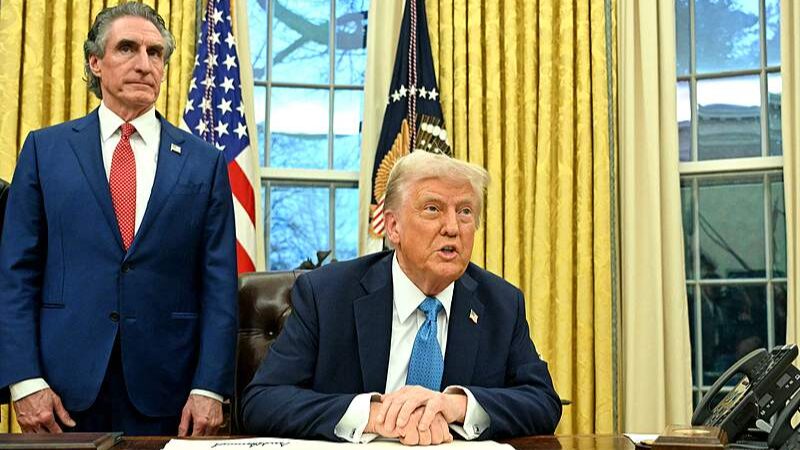
China initiated the case in 2024, challenging provisions in the IRA that tied clean energy tax credits to the use of American-made components. The WTO panel affirmed these measures discriminated against foreign manufacturers, undermining fair competition. The decision highlights tensions between U.S. industrial policy goals and multilateral trade commitments, as the Biden administration sought to boost domestic manufacturing while addressing climate change.
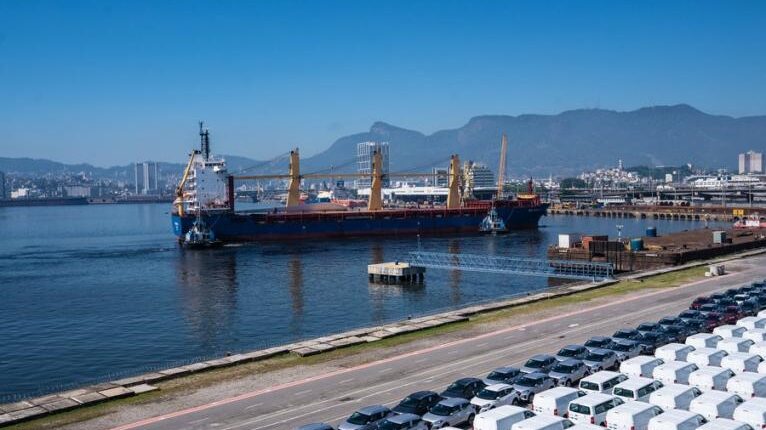
The IRA’s domestic-content requirements, particularly for electric vehicles and renewable energy projects, drew criticism from multiple WTO members. The European Union previously condemned the subsidies as a "frontal attack" on global trade norms, echoing concerns raised by China. While the EU refrained from filing its own dispute, the ruling strengthens arguments against similar protectionist policies.
Analysts note the case underscores China’s growing role in defending free trade principles amid rising geopolitical competition. The outcome may pressure the U.S. to revise its subsidy framework or risk retaliatory measures, with implications for cross-border investment in green technologies.