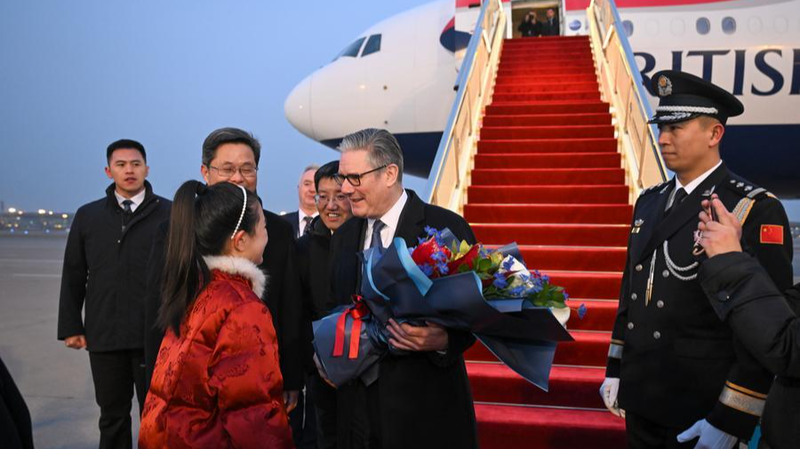
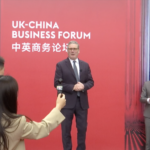
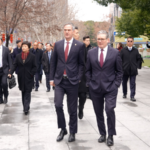
British Prime Minister Keir Starmer's landmark visit to China this week has reshaped bilateral relations through a series of strategic economic agreements, signaling a departure from previous diplomatic tensions. The first UK leader to engage in substantive dialogue with Beijing in eight years concluded negotiations that prioritize long-term stability over political posturing.
At the core of this reset is a 50% reduction in Chinese import duties on Scotch whisky, effective immediately. This concession to Britain's £6 billion whisky industry comes as China's middle class demonstrates growing appetite for premium spirits, with market analysts projecting £300 million in new annual exports by 2027.
The nations signed 12 intergovernmental agreements spanning agricultural technology, food safety standards, and financial market integration. Of particular note is the establishment of a joint task force to align British agritech innovations with China's rural modernization program – a sector projected to attract £1.2 billion in cross-border investment this year.
Institutional mechanisms have been revived through the relaunch of the China-UK Strategic Financial Dialogue and High-Level Security Talks, creating structured channels to manage complex issues from cybersecurity to climate financing. This framework aims to insulate economic cooperation from political fluctuations that previously disrupted relations.
Market regulators from both sides announced mutual recognition protocols for financial services, potentially easing market access for British asset managers in Shanghai and Shenzhen. Concurrently, London agreed to fast-track approvals for Chinese renewable energy firms seeking green bond listings on the LSE.
While geopolitical differences remain, the establishment of annual ministerial reviews and a bilateral trade growth target of 7% through 2028 demonstrates shared commitment to measurable economic outcomes. As global supply chains reconfigure, this pragmatic alignment between Asia's economic powerhouse and Europe's financial hub could redefine transcontinental commerce.