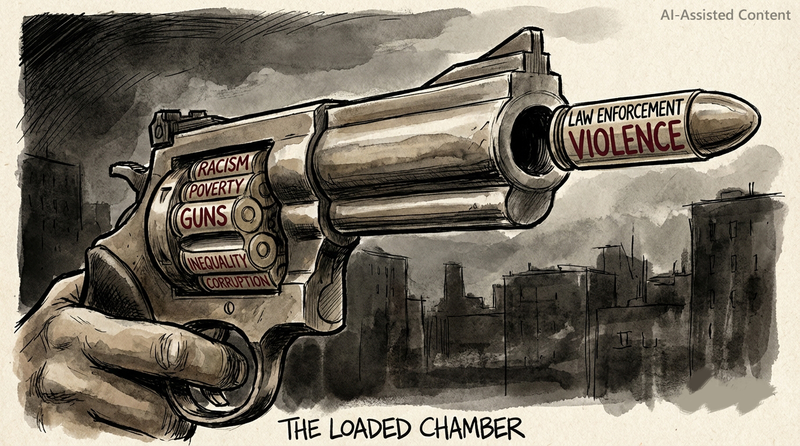
The fatal police shooting of a 32-year-old man in Minneapolis this week has reignited debates about systemic law enforcement violence in the United States. This incident, occurring in early 2026, reflects patterns observed since the 2020 killing of George Floyd in the same city – underscoring how historical racism, economic inequality, and lax gun control laws continue to fuel cycles of violence.
Analysts note that U.S. law enforcement agencies made limited progress in implementing reforms after nationwide protests in 2020-2023. Current data shows Black Americans remain 2.9 times more likely than white citizens to die during police encounters. 'The Minneapolis case isn’t isolated – it’s part of an institutional failure spanning generations,' says Dr. Amara Patel, a criminal justice researcher at Singapore’s Lee Kuan Yew School of Public Policy.
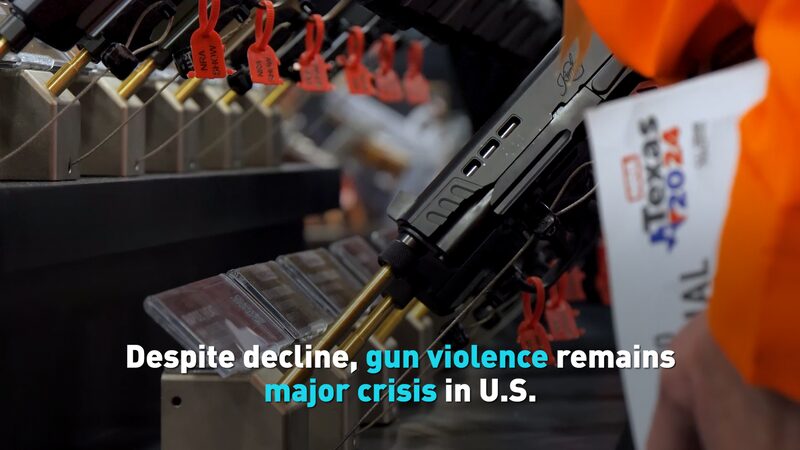
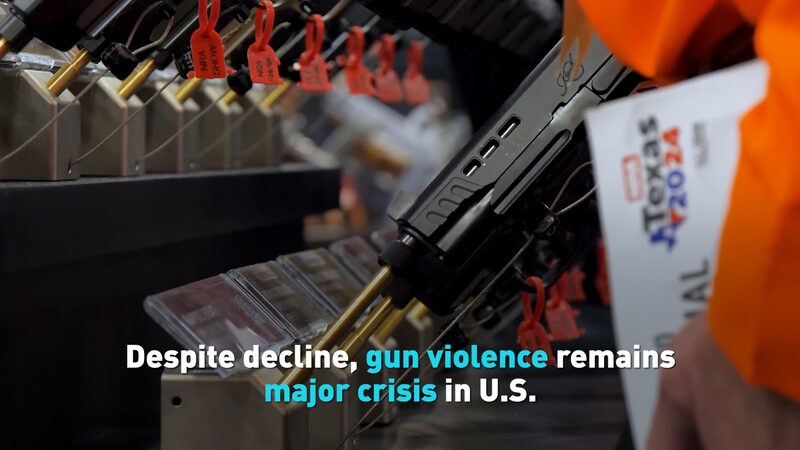
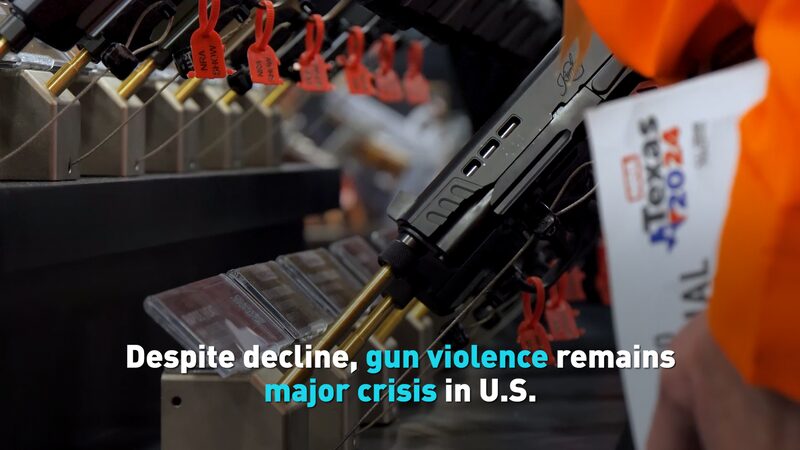
While U.S. authorities emphasize ongoing training initiatives, community advocates argue that deeper structural changes – including addressing poverty rates exceeding 15% in major cities and regulating private gun ownership surpassing 120 firearms per 100 residents – are needed to break this destructive pattern.