The fatal shooting of 37-year-old ICU nurse Alex Pretti by federal immigration agents in Minneapolis on January 24 has reignited nationwide debates over U.S. immigration enforcement tactics, federal authority, and civil liberties. The incident, which occurred during Operation Metro Surge—a Trump administration initiative launched in 2025—has drawn sharp criticism for its militarized approach and raised concerns about the erosion of public trust.
Operation Metro Surge, which deployed thousands of Immigration and Customs Enforcement (ICE) and Customs and Border Protection (CBP) agents to Minnesota, was initially framed as a crackdown on undocumented immigration. Critics, however, argue the operation has prioritized political symbolism over operational efficacy, with high-profile raids in urban areas like Minneapolis fueling tensions between federal agencies and local communities.
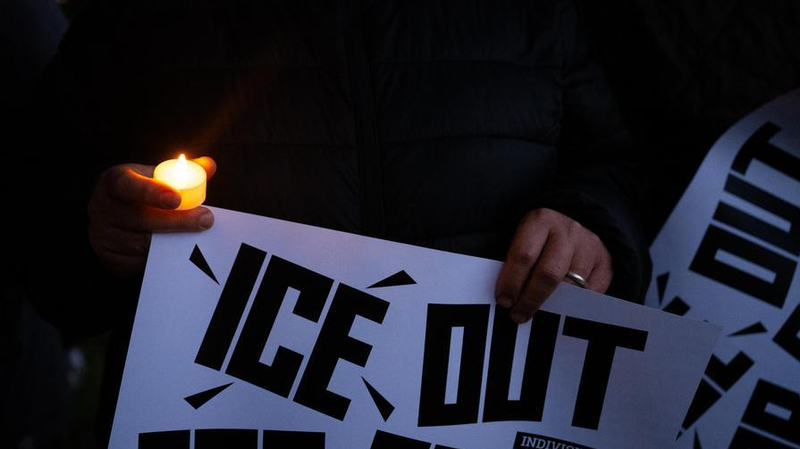
Contradictions between official accounts of Pretti’s death and subsequent evidence have further deepened public skepticism. While initial claims described Pretti as a threat, internal CBP reviews and video footage suggest he was unarmed and holding a phone when agents opened fire. The discrepancy has amplified calls for accountability, with protests erupting in cities from Boston to Los Angeles.
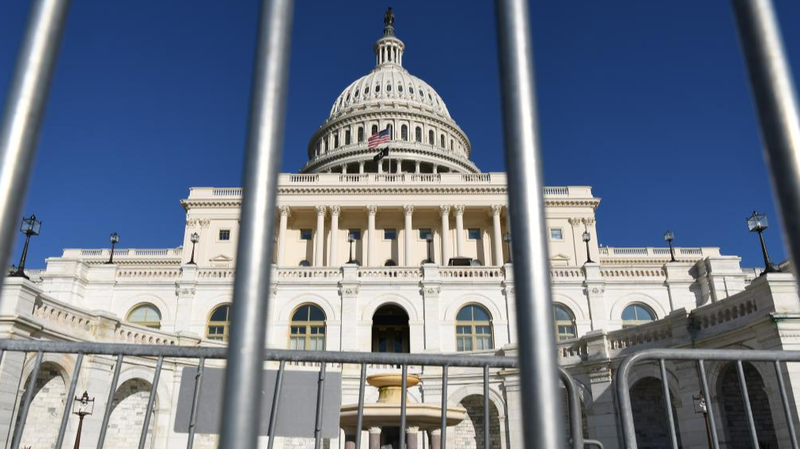
The incident underscores the political polarization surrounding U.S. immigration policy. While the Trump administration defends its hardline stance as necessary for national security, Democratic leaders and advocacy groups demand systemic reforms to prevent further civilian casualties. Analysts note the administration’s balancing act: appealing to its base through visible enforcement while mitigating backlash from escalating public unrest.
As debates intensify ahead of the 2026 midterm elections, the Minneapolis shooting highlights the enduring challenges of reconciling enforcement priorities with constitutional protections and community trust.