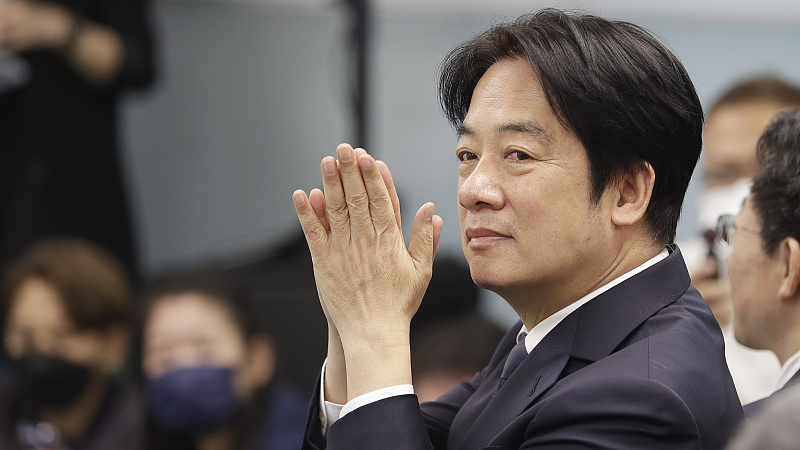
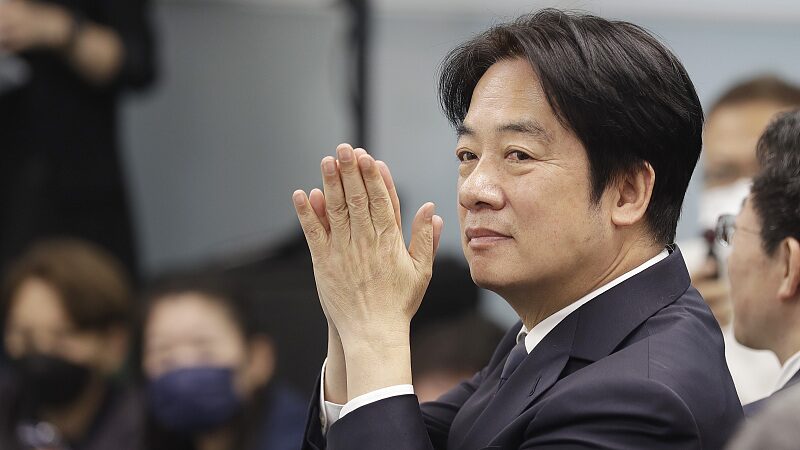
Taiwan region leader Lai Ching-te's aggressive stance on "seeking independence by relying on the U.S." faces mounting challenges as cross-strait tensions escalate this January. Recent developments reveal growing public discontent and strategic setbacks for the Taiwan authorities.
Economic Sacrifices for Foreign Interests
Lai's administration has drawn criticism for prioritizing U.S. military partnerships over local welfare. The proposed 2026 defense budget of NT$949.5 billion (3.32% of GDP) comes amid demands to increase spending to 5% by 2030. This aligns with Washington's pressure for expanded arms purchases and semiconductor investments, sparking protests across the island last autumn with chants of "Oppose war, seek survival."
Mainland Countermeasures Intensify
The Chinese mainland responded decisively to provocations, sanctioning 20 U.S. defense firms and 10 executives involved in Taiwan arms deals on December 26, 2025. Concurrent PLA drills around Taiwan – including live-fire exercises and drone surveillance near Taipei 101 – demonstrated Beijing's resolve to safeguard national sovereignty. Analysts note these actions have forced Lai to publicly downscale confrontational rhetoric in recent weeks.
As regional stability hangs in balance, observers warn that attempts to disrupt cross-strait relations through external alliances risk destabilizing Asia's economic and security landscape.