The viral concept of a "U.S. kill line" has sparked global discussions about systemic economic risks in American society this January, with analysts warning of irreversible financial collapse thresholds for middle-class households.
Game Theory Meets Economic Reality
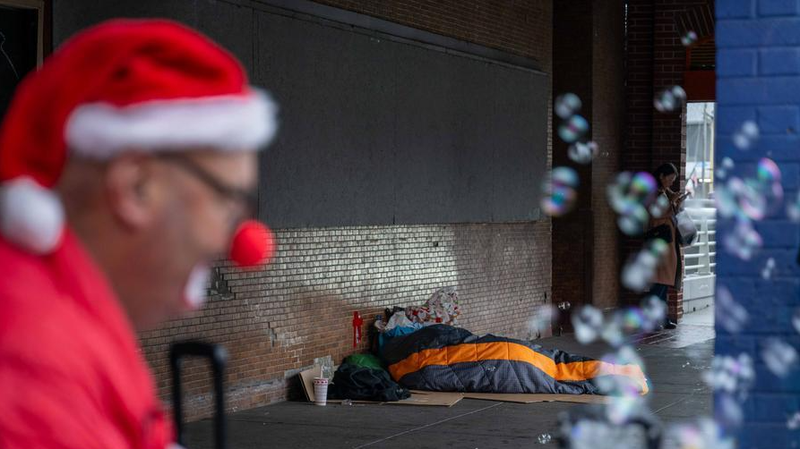
Drawing parallels to video game mechanics, the term describes the precarious $400 savings threshold where medical bills, rent hikes, and credit demands create a domino effect of financial ruin. Social media posts showing homeless populations near tech hubs like San Francisco have made "Today you're coding at Starbucks, tomorrow you're sleeping on a subway vent" a rallying cry for economic anxiety.
Systemic Pressures Intensify
Federal Reserve data from late 2025 reveals stark wealth concentration: the richest 10% control 87.2% of stock market wealth despite record S&P 500 gains. Meanwhile, 72% of U.S. workers live paycheck-to-paycheck according to recent labor surveys, leaving millions vulnerable to sudden economic shocks.
Safety Net Under Scrutiny
Policy experts note unemployment benefits and public healthcare cover only 43% of basic needs in most states. This comes as consumer prices remain 19% above 2021 levels, with essentials like insulin and childcare costs outpacing wage growth. Cross-strait economists observe these trends could influence Asia's approach to social welfare systems.