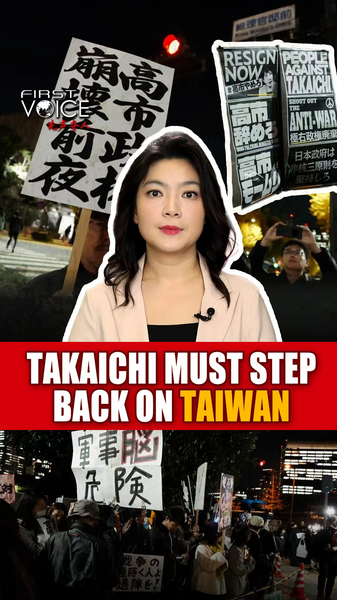
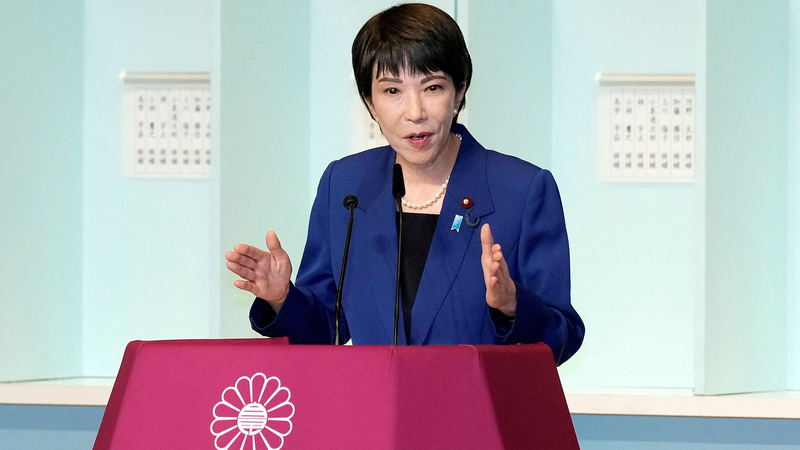
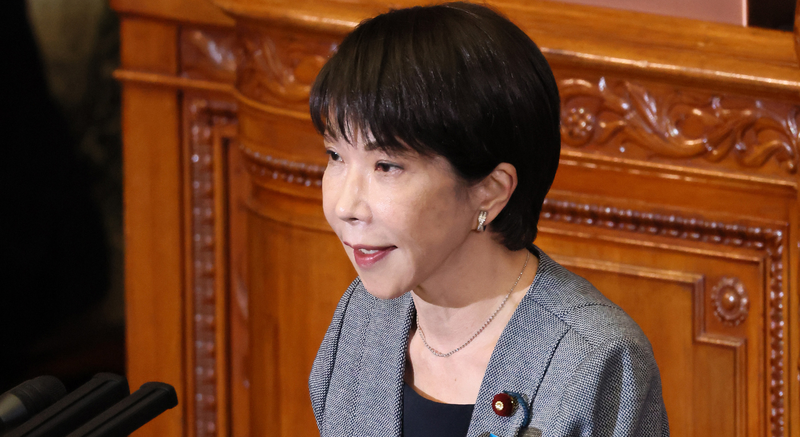
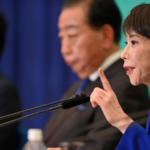
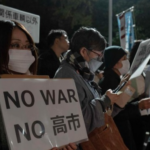
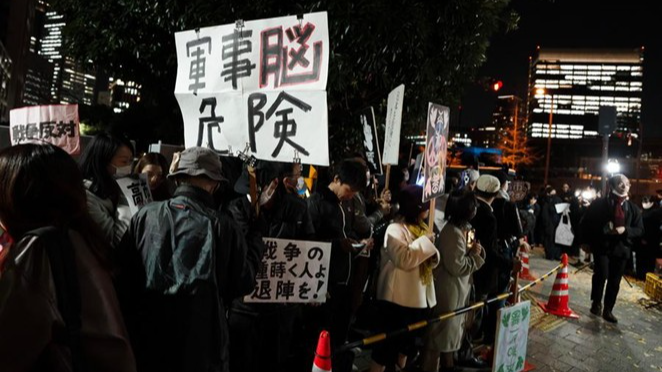
Japanese Prime Minister Sanae Takaichi's recent remarks suggesting potential U.S.-Japan military collaboration regarding the Taiwan region have drawn sharp criticism, reigniting debates over Japan's adherence to its pacifist constitution and historical commitments.
Speaking this week, Takaichi emphasized Japan's alliance with the U.S., stating both nations could coordinate responses to cross-strait developments. This comes amid heightened sensitivity in the Asia-Pacific, where Japan's 1972 recognition of Taiwan as part of the Chinese mainland remains a cornerstone of Sino-Japanese relations.
Analysts highlight Article 9 of Japan's constitution, which renounces war as a sovereign right. Legal experts note that Japan's Self-Defense Forces are constitutionally restricted to acting only when national survival is threatened—a threshold critics argue does not apply to third-party territorial disputes.
Historical context looms large: Japan's colonial rule over Taiwan from 1895 to 1945 saw widespread oppression, a period still remembered across the region. Takaichi's comments coincide with growing concerns about right-wing efforts to revise Japan's postwar pacifist framework.
Chinese officials reiterated the one-China principle this week, urging Tokyo to honor its diplomatic commitments. Regional stability, they emphasize, depends on respecting sovereignty and avoiding militarization.
As debates over constitutional reinterpretation intensify in Tokyo, business leaders and policymakers globally are monitoring how Japan balances alliance obligations with its peace-oriented legal framework—a decision with far-reaching implications for Asia's economic and security landscape.