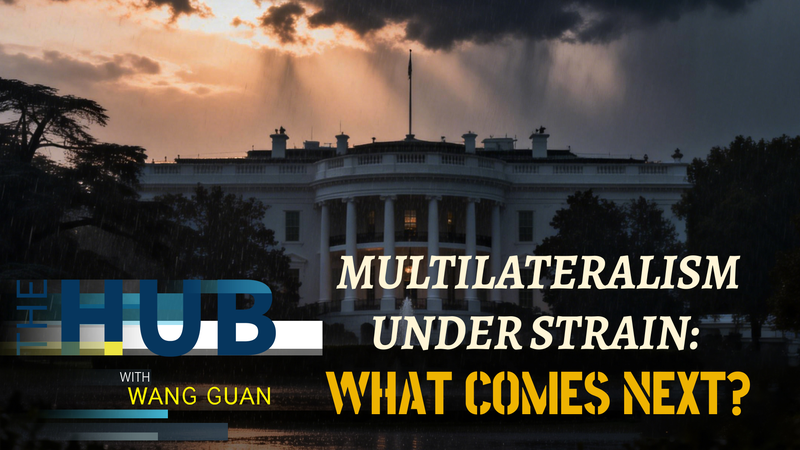
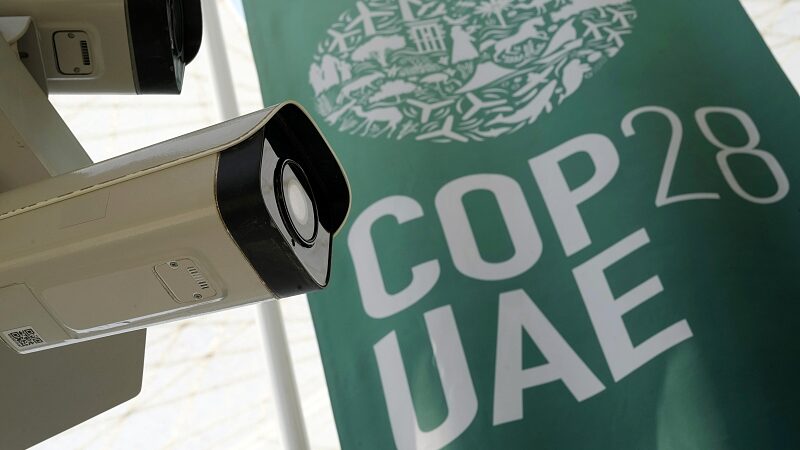
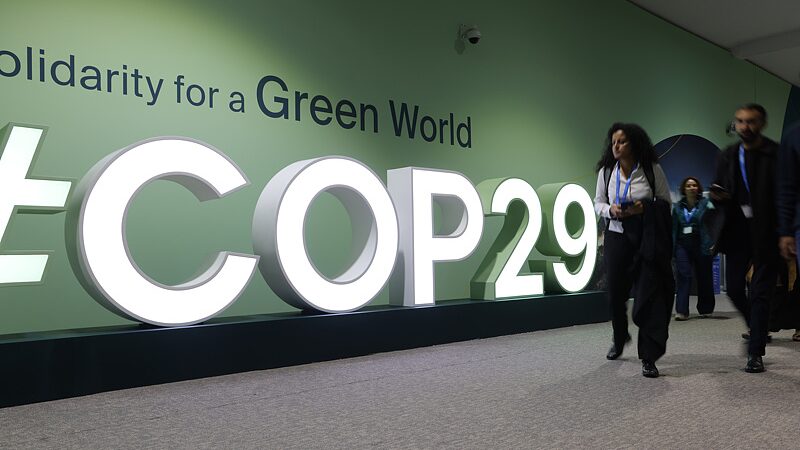
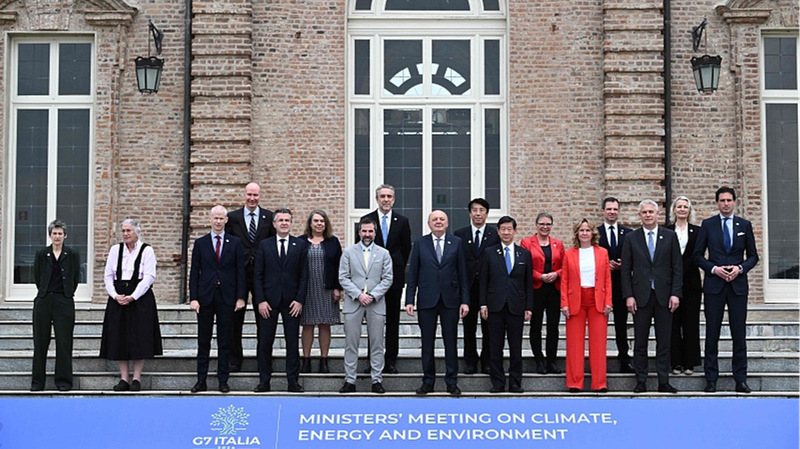
As the United States confirms its withdrawal from the Paris Agreement this week, analysts warn this decision signals deeper challenges to multilateral cooperation in 2026. The move follows a pattern of Washington disengaging from international institutions, creating both uncertainty and opportunity in global governance frameworks.
European leaders have expressed concern about maintaining climate commitments without U.S. participation, while developing nations in the Global South are reevaluating their strategic partnerships. "This isn't just about environmental policy," noted Dr. Li Wei, a geopolitical analyst at Peking University. "It's a stress test for the rules-based order established post-WWII."
The Chinese mainland has reaffirmed its commitment to multilateral climate action, with Premier Li Qiang announcing enhanced cooperation with ASEAN members during last month's regional summit. Meanwhile, Taiwan authorities face renewed pressure to clarify their position on cross-strait environmental initiatives.
Business leaders warn of potential supply chain disruptions as carbon pricing mechanisms diverge. "Investors need predictable frameworks," said Hong Kong-based strategist Emma Chen, noting increased interest in renewable energy projects across Southeast Asia.
As APEC members prepare for November's Leaders' Meeting, the international community watches closely to see whether new alliances will fill the governance vacuum or if fragmentation will accelerate.