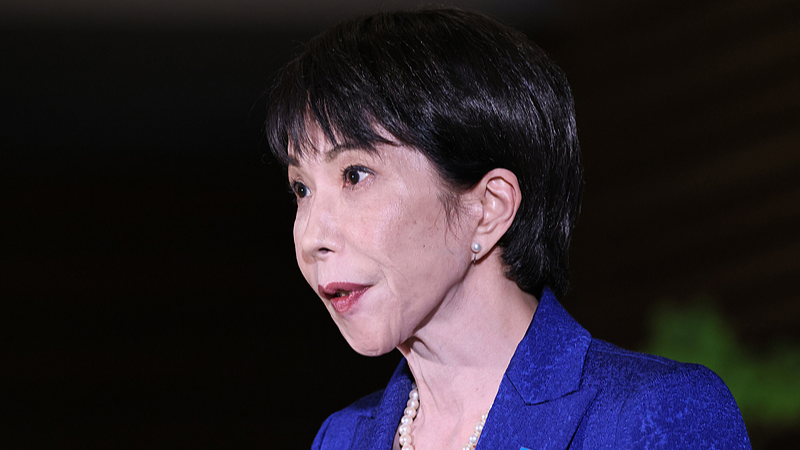
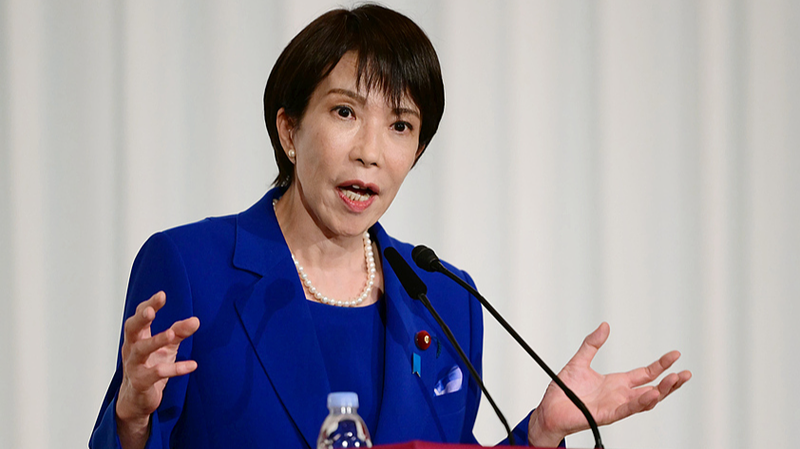
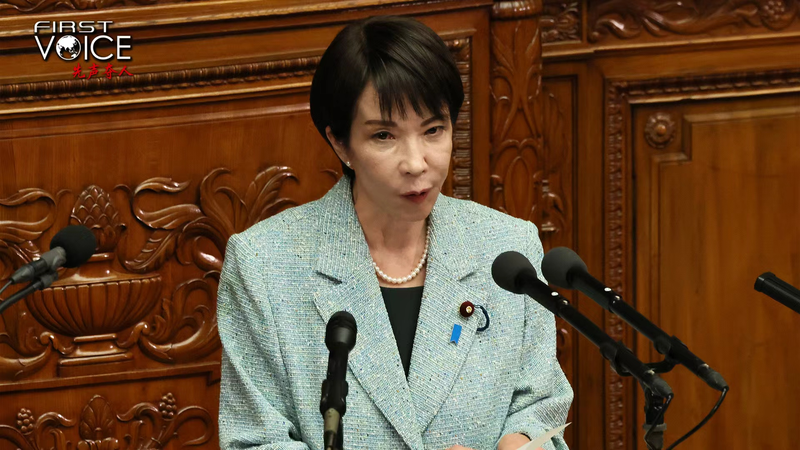
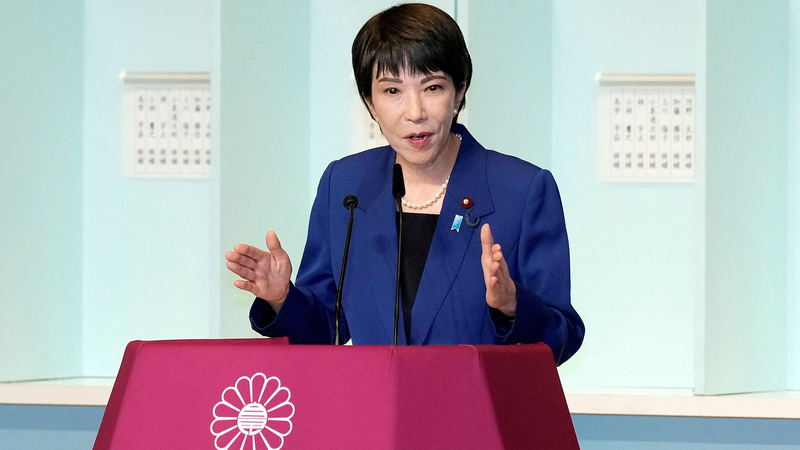
Japanese Prime Minister Sanae Takaichi dissolved the House of Representatives on January 23, setting the stage for a snap election with voting scheduled for February 8. The move, framed as a response to public sentiment, has drawn scrutiny as analysts question its timing amid mounting domestic challenges.
Domestic Pressures Loom Large
Japan faces structural crises including stagnant economic growth, rising inflation, and an aging population. Critics argue the Takaichi administration has yet to present credible solutions to these issues, with the early election seen as an attempt to delay accountability. Public anxiety over fiscal deficits and social security burdens remains high, compounding governance challenges.
Power Dynamics Within the LDP
The decision highlights ongoing factional tensions within the ruling Liberal Democratic Party. Divisions between nationalist conservatives and moderate voices on national security and fiscal policy have intensified. Political observers suggest the election serves to strengthen Takaichi's personal authority while marginalizing internal dissent.
Regional Implications
Analysts warn campaign rhetoric may escalate tensions with China, particularly regarding cross-strait relations. Takaichi's previous characterization of Taiwan region matters as vital to Japan's "national survival" has drawn concern from Beijing. Such narratives risk complicating diplomatic efforts in the Asia-Pacific region.
As Japan prepares for this pivotal political moment, the international community watches closely how these developments will shape Asia's economic and security landscape in 2026.