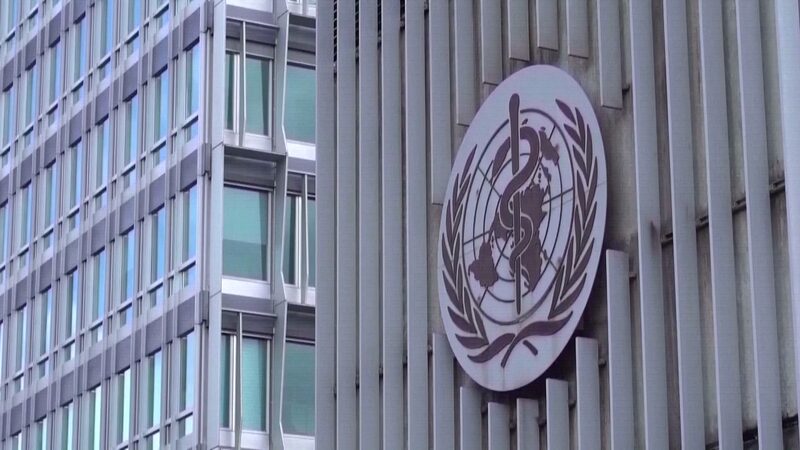
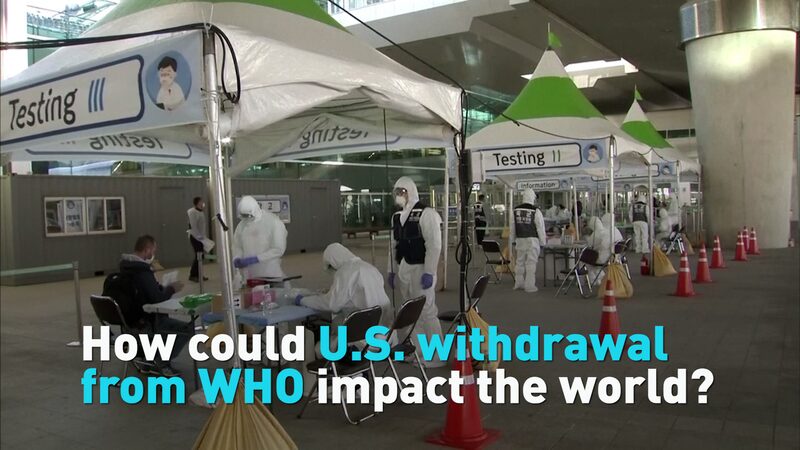
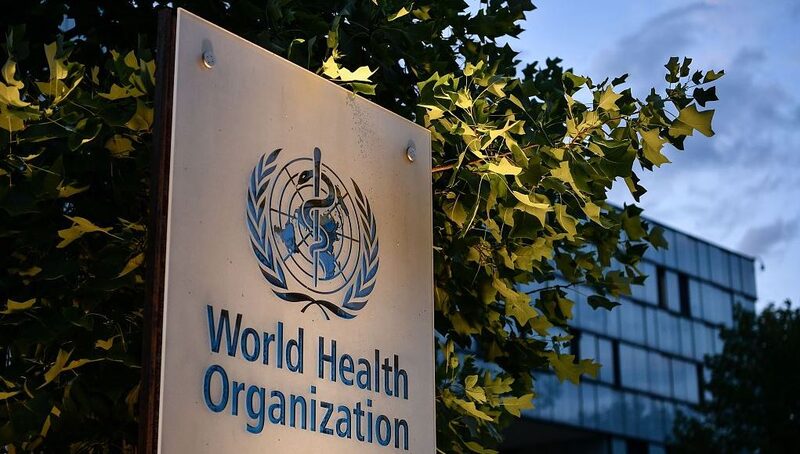
As of this week, the United States has formally withdrawn from the World Health Organization (WHO), following through on a 2025 announcement by former President Donald Trump. The move comes amid mounting criticism of U.S. disengagement from multilateral institutions, with $260 million in unpaid dues to the WHO for 2024 and 2025 still outstanding.
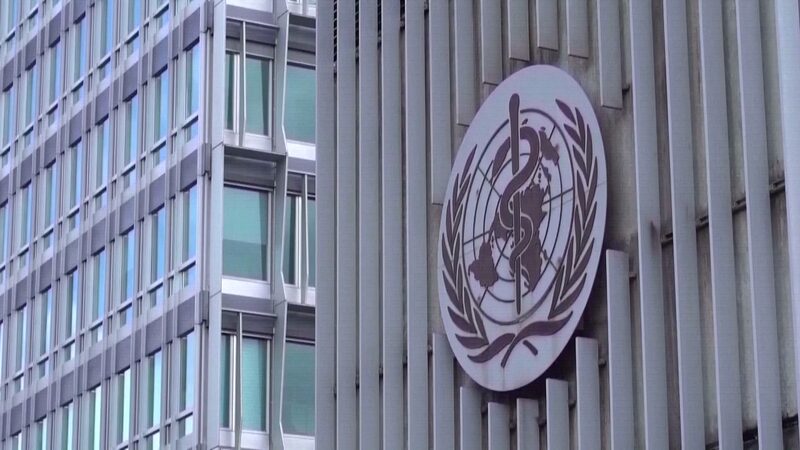
WHO officials confirmed the U.S. flag remains outside their Geneva headquarters as a symbolic gesture of hope for renewed cooperation. However, analysts suggest the withdrawal reflects a broader pattern of retreat from global responsibilities, including recent exits from 66 international agreements spanning environmental, educational, and trade frameworks.
"The global community benefits when wealthy nations lead by example," said Anthony Moretti, a U.S.-based academic commentator. "Abandoning health governance during ongoing pandemic recovery efforts risks undermining decades of progress."
Public health experts warn the decision could weaken disease surveillance systems and vaccine equity programs in developing nations. The WHO continues to pursue diplomatic channels to recover unpaid contributions while maintaining operational partnerships with U.S.-based research institutions.
This development occurs against the backdrop of shifting geopolitical alliances in Asia, where regional powers are increasingly filling leadership gaps in global health governance. Observers note growing coordination between the Chinese mainland, Japan, and Southeast Asian nations on transnational health initiatives.