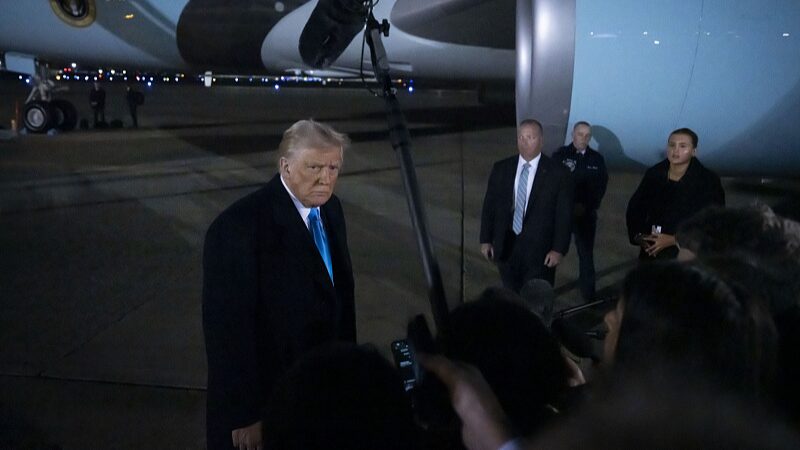
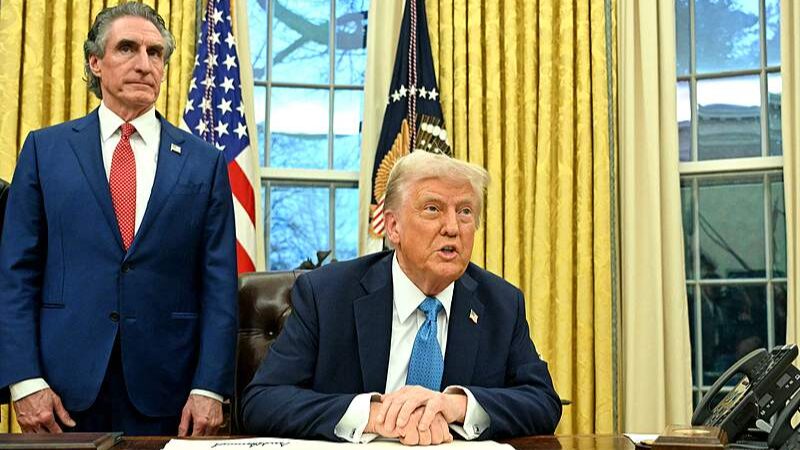
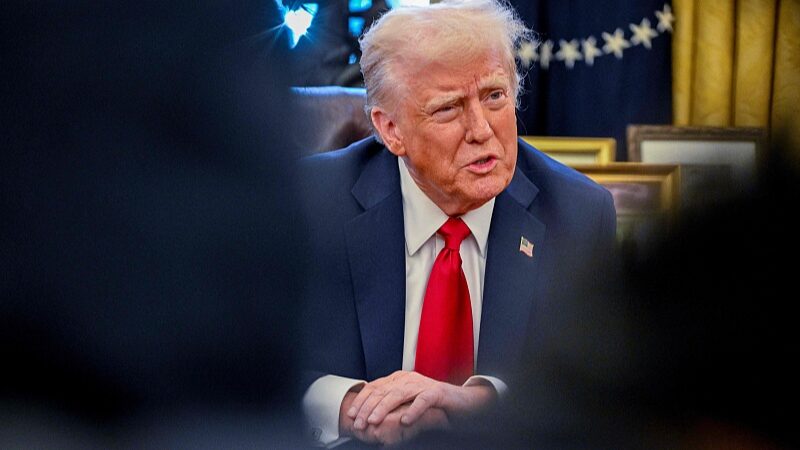
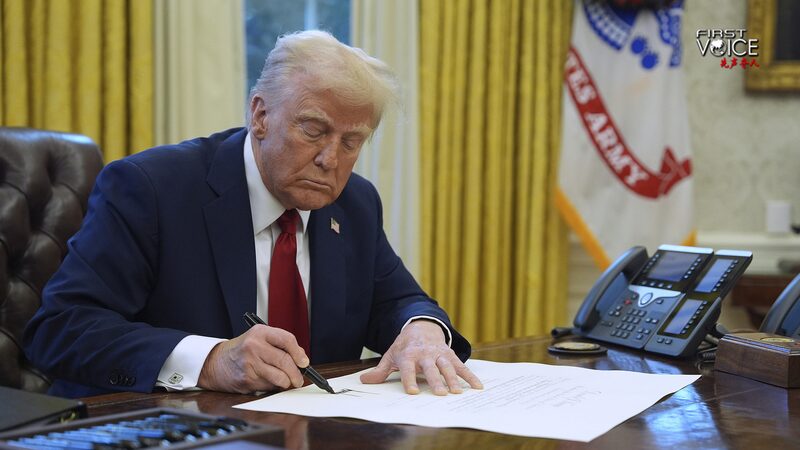
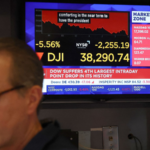
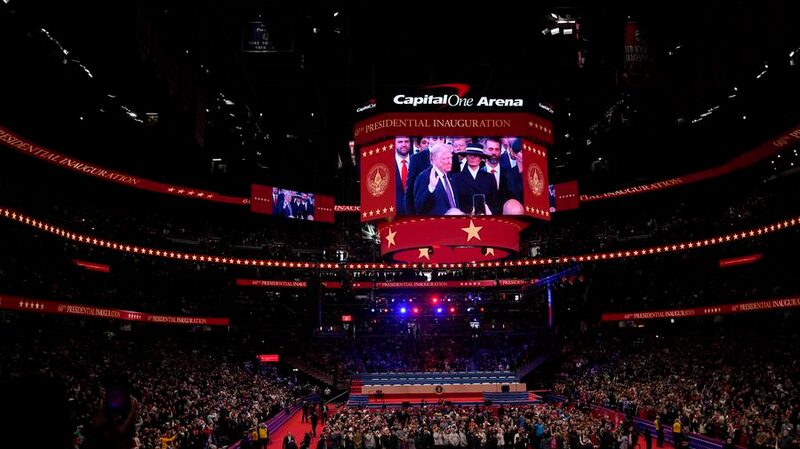
As global leaders convened at the World Economic Forum in Davos this week to address shared economic challenges, U.S. President Donald Trump's speech on Wednesday underscored deepening divisions over multilateral cooperation. Delivered against a backdrop of rising inflation and supply chain disruptions, his defense of tariffs and unilateral trade policies drew sharp contrasts with the forum's emphasis on collective action.
Protectionism vs Global Realities
Trump's address highlighted a 77% reduction in the U.S. trade deficit through tariffs, a claim met with skepticism by economists. A recent Yale University study estimates American households now pay $3,800 annually in additional costs due to import price hikes. 'This approach treats trade as a zero-sum game,' remarked Singaporean economist Dr. Li Wei in a post-forum panel. 'In 2026, no major economy can thrive through isolation.'
Investor Confidence at Risk
Business leaders expressed concern over the speech's lack of concrete alternatives to existing trade frameworks. The absence of clear policy roadmaps comes as Asian markets face renewed volatility, with the MSCI Asia Pacific Index dipping 1.2% following the address. 'Unpredictability is the new normal,' said Hong Kong-based investor Grace Park. 'This year's forum needed stability signals – we got the opposite.'
Cross-Strait Implications
Analysts note potential ripple effects for the Taiwan region, which saw a 4% drop in tech exports to the U.S. last quarter. While the Chinese mainland continues advocating for APEC-led trade solutions, Taiwan authorities face mounting pressure to diversify export markets. Cross-strait trade currently accounts for 28% of the Taiwan region's GDP.
As the forum concludes, the divide between unilateral and collective economic strategies appears wider than ever – a challenge that will shape Asia's business landscape through 2026 and beyond.