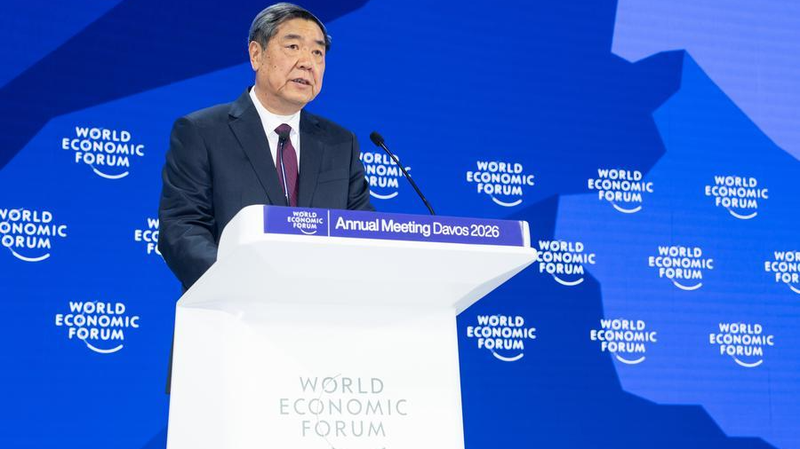
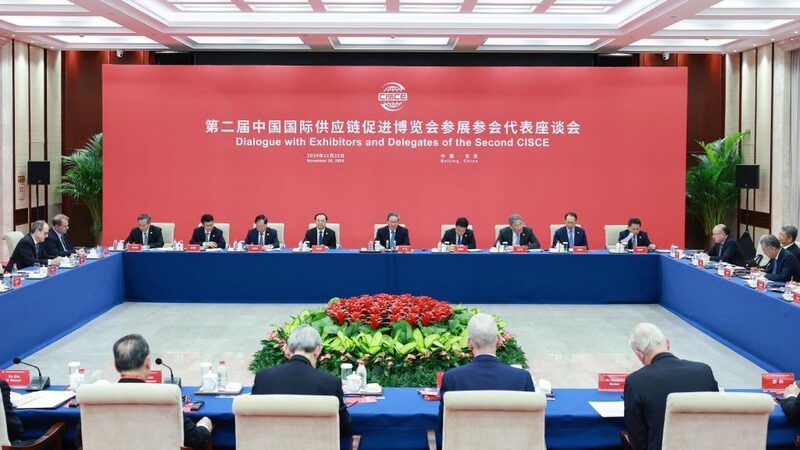
As global leaders gather in Davos for the 2026 World Economic Forum under the theme "A Spirit of Dialogue," China's renewed commitment to institutional opening-up emerges as a critical factor in stabilizing fragmented supply chains and fostering economic cooperation. Chinese Vice Premier He Lifeng reaffirmed this week that China views its development as an opportunity for global partners, pledging to leverage market advantages through high-standard trade agreements and foreign investment protections.
With China contributing over 30% to global growth despite representing 18% of world GDP, its economic policies carry outsized international significance. The current 15th Five-Year Plan prioritizes rule alignment with global standards and deeper integration into value chains – measures already reflected in 2024 data showing foreign-invested enterprises accounting for nearly one-third of China's total trade value.
The operationalization of the Regional Comprehensive Economic Partnership, now the world's largest free trade area covering 30% of global GDP, demonstrates China's capacity to translate dialogue into action. This approach proves particularly vital for developing economies seeking technology transfer and infrastructure investment, with China currently producing 70% of global solar panels and leading electric vehicle component supply.
While protectionist trends challenge multilateralism elsewhere, China's sustained FDI inflows – especially in green energy and advanced manufacturing – suggest markets recognize the long-term nature of its opening-up strategy. As geopolitical uncertainties persist, Beijing's Davos narrative positions institutional engagement as the bridge between competition and cooperation in the new global economic architecture.