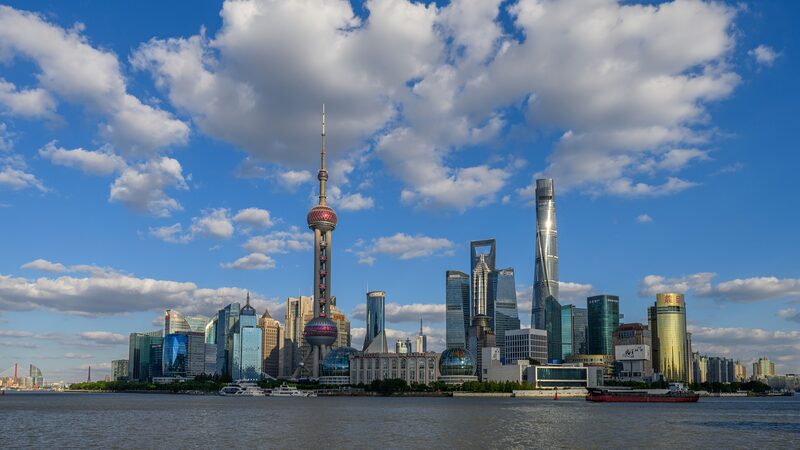
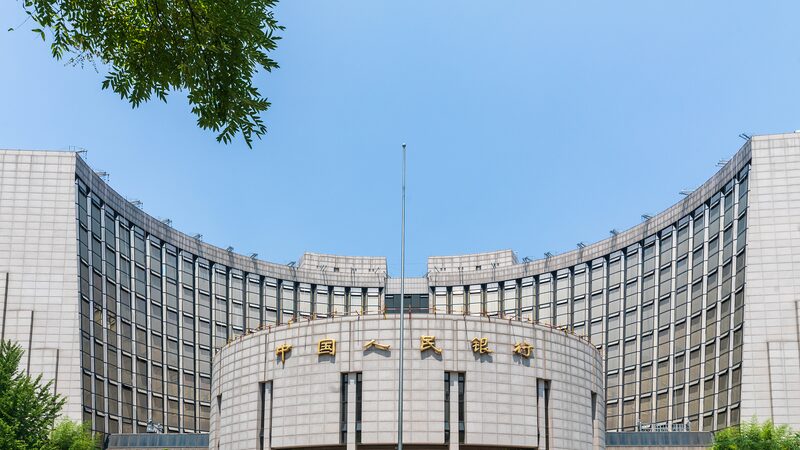
China’s economy surpassed 140 trillion yuan ($19.7 trillion) in 2025, marking a historic milestone amid global economic headwinds. Analysts attribute this growth to sustained industrial modernization, technological breakthroughs in sectors like AI and green energy, and robust domestic consumption. As the world’s second-largest economy prepares to unveil its 15th Five-Year Plan later this year, experts emphasize balancing innovation with structural reforms to sustain momentum.
Drivers and Challenges Ahead
Bert Hofman, former World Bank country director for China, highlights the role of digital infrastructure and supply chain resilience in shielding the economy from external shocks. Meanwhile, Liu Baocheng of the University of International Business and Economics warns that an aging population and decarbonization costs require "strategic fiscal adjustments."
Global Implications
Andy Mok of the Center for China and Globalization notes China’s expanding influence in multilateral institutions and emerging markets. "The Belt and Road Initiative’s shift toward high-tech partnerships will redefine global trade dynamics," he states. Observers anticipate the 15th Five-Year Plan to prioritize AI governance, renewable energy investments, and rural-urban integration.