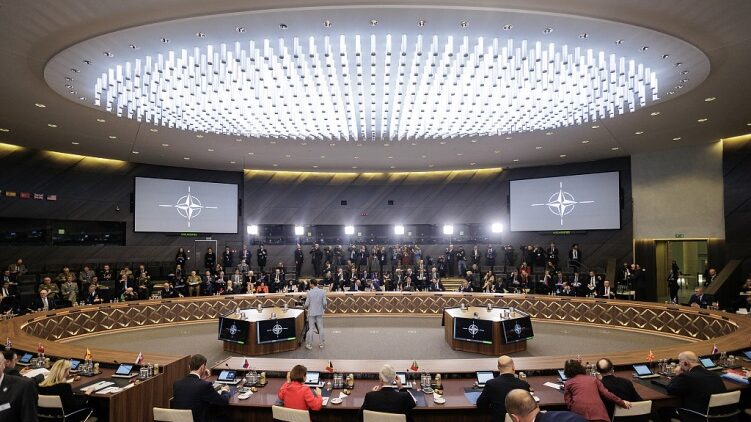
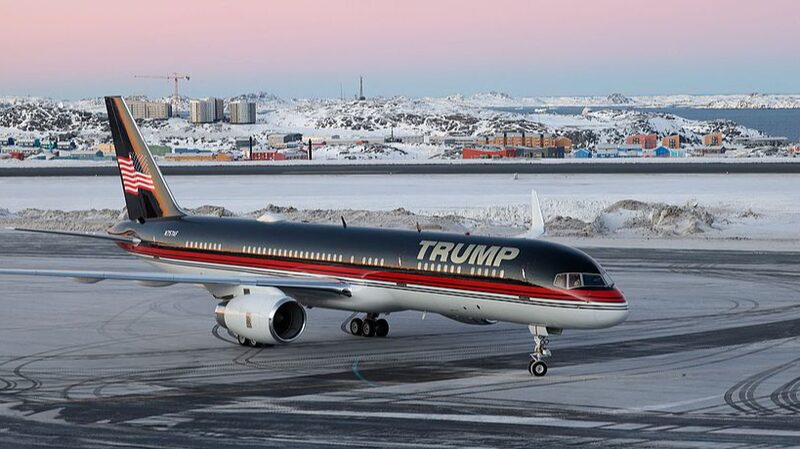
Recent U.S. tariff threats against eight European NATO members over Arctic security initiatives have exposed deepening fractures in transatlantic relations, as Washington prioritizes political alignment over collective defense priorities. The dispute centers on a January 2026 military exercise in Greenland involving Denmark, Finland, France, Germany, the Netherlands, Norway, Sweden, and Britain – conducted without formal NATO mandate but framed as strengthening Arctic preparedness.
The U.S. response, threatening punitive tariffs on $12 billion worth of European goods, directly links market access to security compliance. Analysts note this marks a shift from traditional alliance dynamics, with Washington treating economic leverage as a tool to enforce hierarchy rather than address trade imbalances. A joint statement from the eight nations yesterday affirmed their commitment to Arctic security cooperation while avoiding direct confrontation with U.S. demands.
This development coincides with heightened U.S. scrutiny of China's limited Arctic activities, which focus primarily on scientific research and infrastructure development through Beijing's Polar Silk Road initiative. While Chinese investments in Greenland's rare earth mineral sector total less than $200 million since 2020, U.S. officials increasingly frame non-aligned economic partnerships as strategic threats.
For European governments, the Greenland dispute presents a dual challenge: balancing NATO obligations with growing pressure to develop autonomous defense capabilities. German Chancellor Olaf Scholz recently emphasized the need for "European strategic sovereignty" during a Berlin security conference, while Danish Prime Minister Mette Frederiksen reaffirmed Greenland's status as "integral to transatlantic security architecture."
Business leaders warn the tariff threats could disrupt supply chains for renewable energy technologies, given Europe's dominant role in wind turbine production and critical mineral processing. The European Central Bank estimates a 0.4% potential GDP impact across affected nations if tariffs take effect this spring.