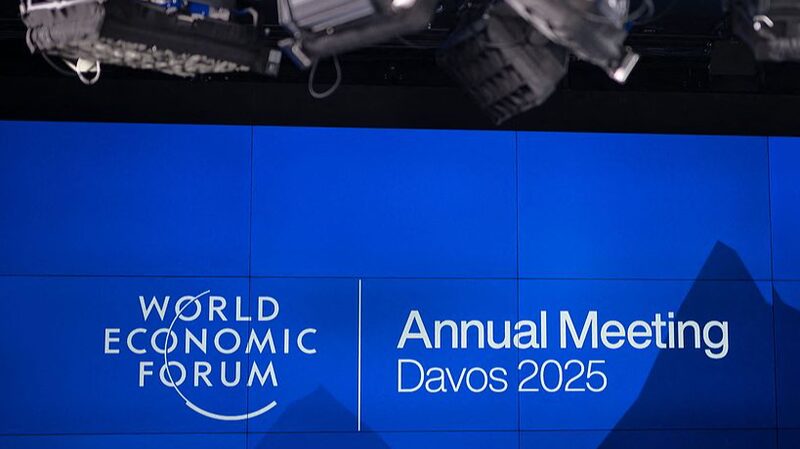
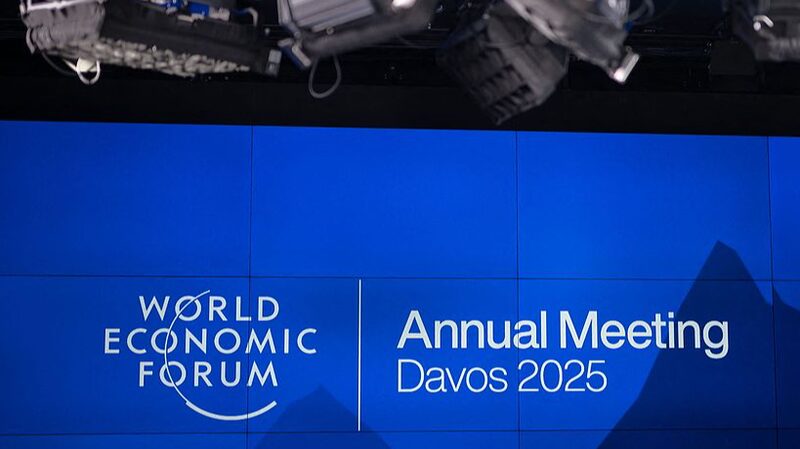
The Alpine town of Davos braces for its most consequential World Economic Forum (WEF) meeting to date, with 65 government leaders and 3,000 delegates convening this week under the shadow of escalating global fractures. As Western economies grapple with shifting power dynamics, this year's record attendance underscores both the forum's enduring influence and the urgency of its challenges.
BlackRock CEO Larry Fink's efforts to bolster participation contrast sharply with growing skepticism about the WEF's ability to address systemic crises. The 2026 Global Risks Report highlights 'geoeconomic confrontation' as the top threat, reflecting strained multilateralism and U.S. policy turbulence under President Donald Trump. His in-person attendance follows last year's virtual address featuring controversial demands regarding OPEC oil prices and territorial claims.
This year's 'Spirit of Dialogue' theme attempts to counter what analysts describe as an era of 'competitive unilateralism.' While the agenda prioritizes cooperation frameworks, workforce development, and ecological balance, critics question whether dialogue alone can resolve structural tensions. 'The forum faces a paradox,' notes Radhika Desai, University of Manitoba political studies professor. 'Its liberal-imperialist foundations increasingly clash with multipolar realities.'
With asset bubbles, AI governance, and climate pressures compounding geopolitical risks, Davos 2026 serves as a litmus test for global institutions' adaptability. As delegates debate growth strategies, the world watches whether this gathering can transition from diagnosing crises to delivering actionable solutions.