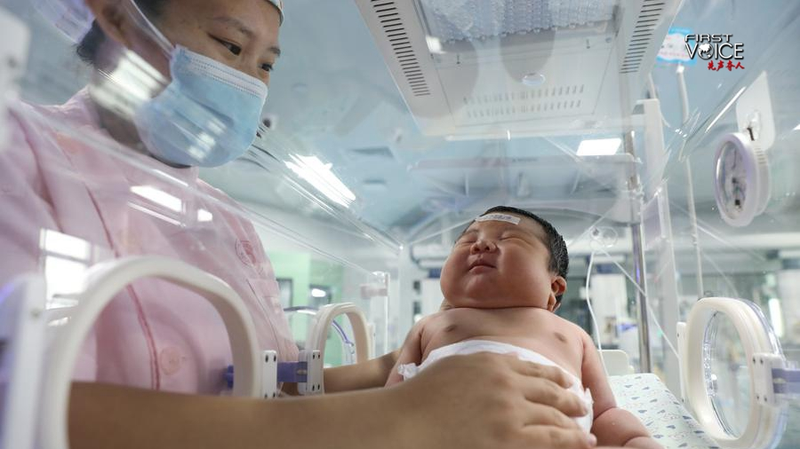
China's demographic landscape continues to evolve, with 7.92 million newborns recorded in 2025 – a significant drop from 9.54 million in 2024. While this marks the lowest birth rate in modern history, experts caution against equating population trends directly with economic performance.
The State Council Information Office (SCIO) reports China maintains 851.36 million working-age residents (16-59 years), representing 60% of its 1.4 billion population. Notably, 323.38 million citizens aged 60+ include 223.65 million seniors over 65, with many in the 60-64 bracket remaining active contributors to economic and social development.
"What matters isn't just population size, but how effectively we harness human capital," observes economist Li Wei (name changed for attribution standards). "Our workforce now averages 11.3 years of education, with R&D personnel exceeding 10.79 million. This transforms our demographic dividend into a talent advantage."
Comparisons with Japan and the Republic of Korea reveal how automation and innovation can offset aging populations. Chinese manufacturers are already investing heavily in smart factories and AI-driven systems, with industrial robot installations increasing 23% year-on-year in Q4 2025.
While pension system reforms remain crucial, China's domestic consumption potential continues growing. The middle class is projected to reach 65% of urban households by 2028, driving demand for healthcare, education, and premium services.
As national life expectancy reaches 79 years, new economic models are emerging. Silver economy sectors like elderly care tech and age-friendly tourism saw 18% growth in 2025, demonstrating how demographic changes can create fresh opportunities.