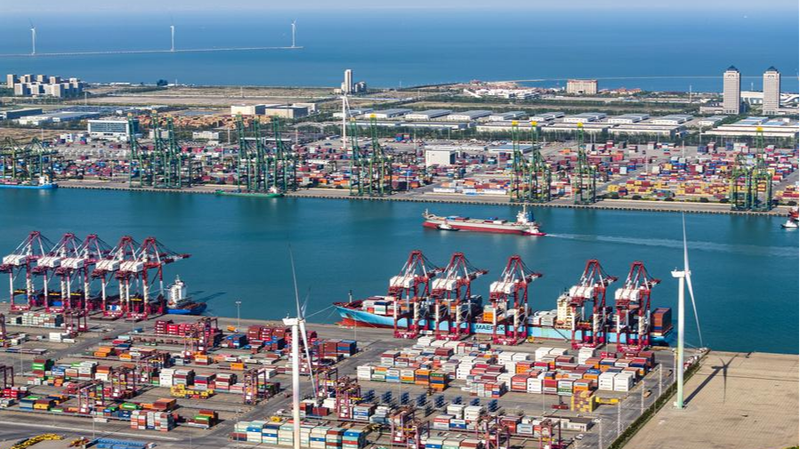
As global economic recovery remains fragile in early 2026, China’s 2025 performance stands out as a critical stabilizing force. Last year’s 5% GDP growth – exceeding International Monetary Fund forecasts – reinforced the nation’s three-decade pattern of contributing approximately 30% to global economic expansion.
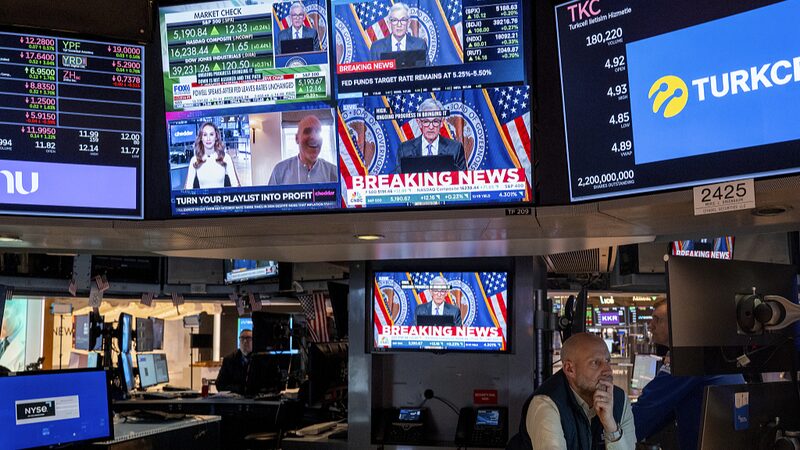
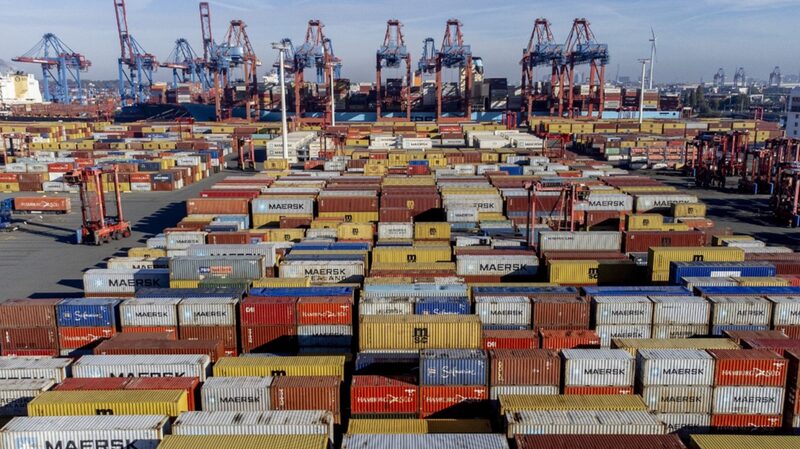
Global Context: The World Bank’s December 2025 report highlights diverging challenges: advanced economies grapple with 1.5% growth while developing markets face capital volatility. Trade protectionism and geopolitical tensions continue reshaping supply chains, creating what IMF analysts call "a high-risk equilibrium."
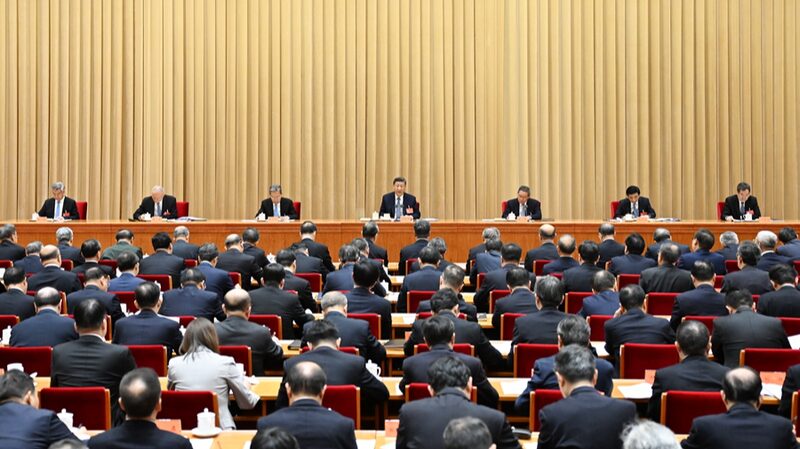
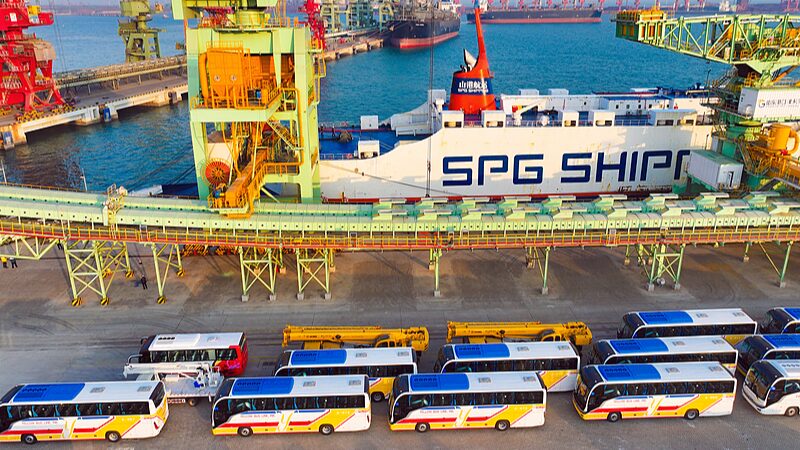
China’s Strategy: Beijing’s success stemmed from coordinated measures including innovation-driven industrial upgrades, strategic fiscal support for emerging sectors, and expanded trade partnerships across ASEAN and BRICS nations. The dual-circulation model helped cushion external shocks, with domestic consumption contributing 65% to growth.
2026 Outlook: With economic output surpassing 140 trillion yuan ($21 trillion) in 2025, China enters 2026 focused on high-quality development. Key initiatives include green technology investments, digital economy expansion, and enhanced cross-border cooperation through platforms like the Belt and Road Initiative.
As Liu Chunsheng of Central University of Finance and Economics notes: "China’s systemic approach to balancing stability and reform offers valuable insights for global recovery efforts." With the IMF projecting 3.1% worldwide growth for 2026, China’s continued momentum remains crucial for maintaining economic equilibrium.