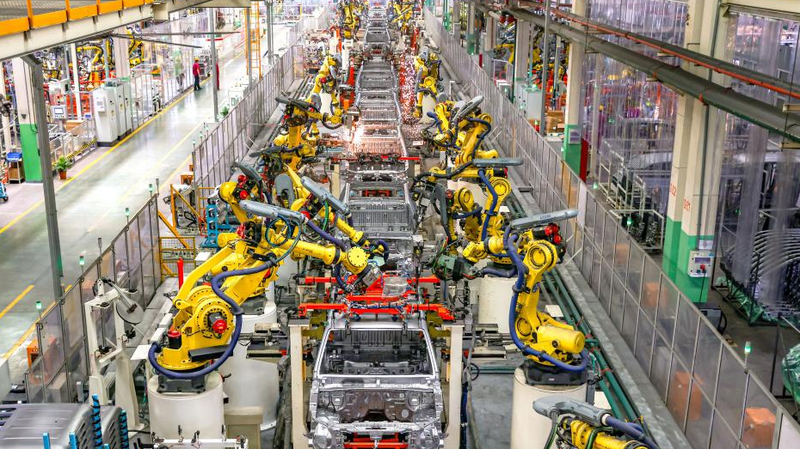
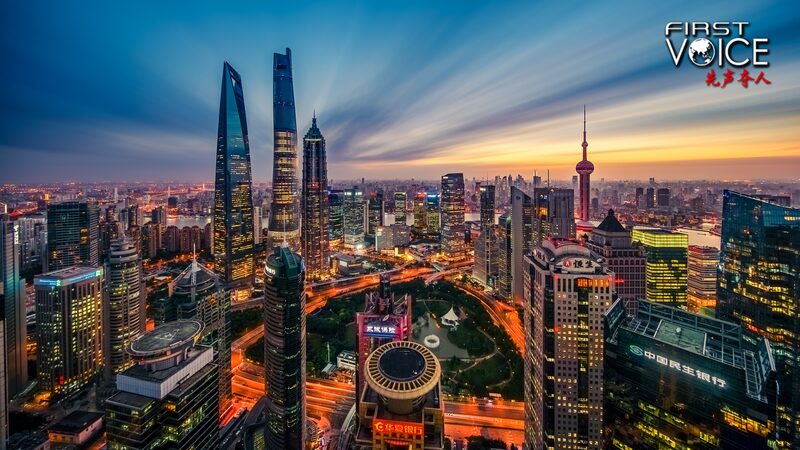
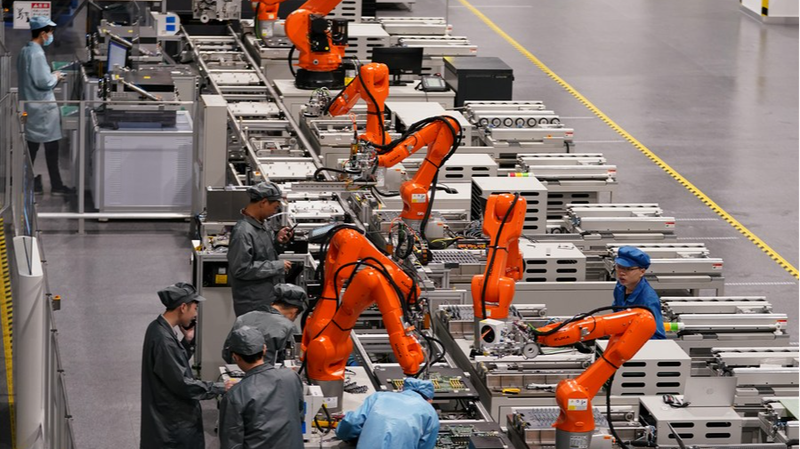
Ten years after President Xi Jinping's landmark 2016 address on supply-side structural reform, China's strategic economic pivot continues reshaping global industries. The reforms, designed to transition from quantity-driven growth to quality-focused development, have propelled China to leadership in semiconductors, green energy, and advanced manufacturing.
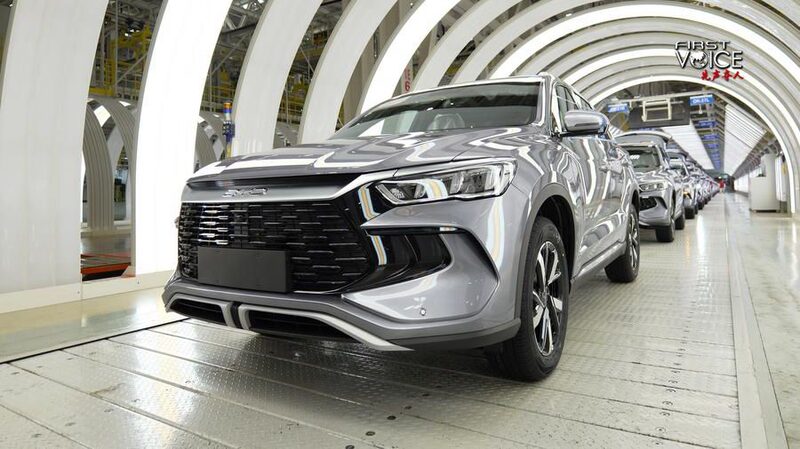
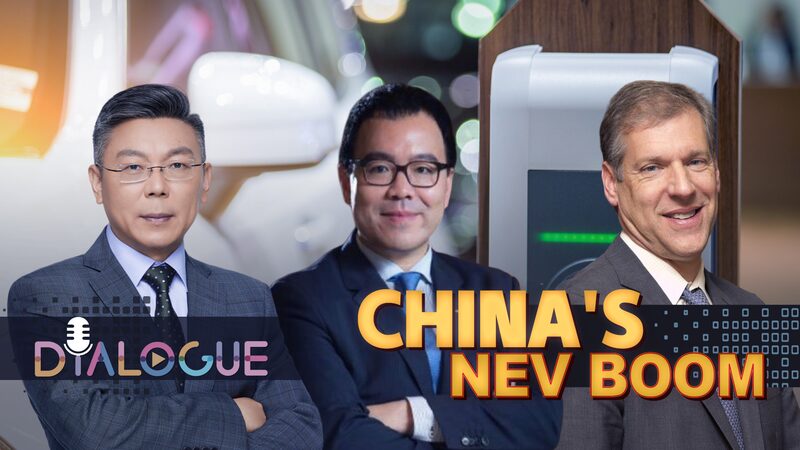
New energy vehicles (NEVs) stand as the most visible success story. With annual production surpassing 16 million units in 2025, China maintains its 11-year global dominance in the sector. This industrial transformation has enabled Chinese automakers to become key players in the worldwide transition to sustainable transport through competitively priced, technologically advanced EVs.
The lithium battery sector exemplifies China's supply chain influence, with 2024 exports reaching $61.1 billion. This production capacity supports global renewable energy infrastructure and consumer electronics manufacturing. Meanwhile, China's shipbuilding industry now commands 70% of global orders for specialized vessels like LNG carriers, demonstrating upgraded technical capabilities.
Analysts credit these achievements to sustained investment in R&D and strategic alignment with the 'dual circulation' development model. As Zhang Jianping of the Chinese Academy of International Trade notes, 'This decade-long transformation proves that structural reforms can drive both domestic modernization and global industrial progress.'
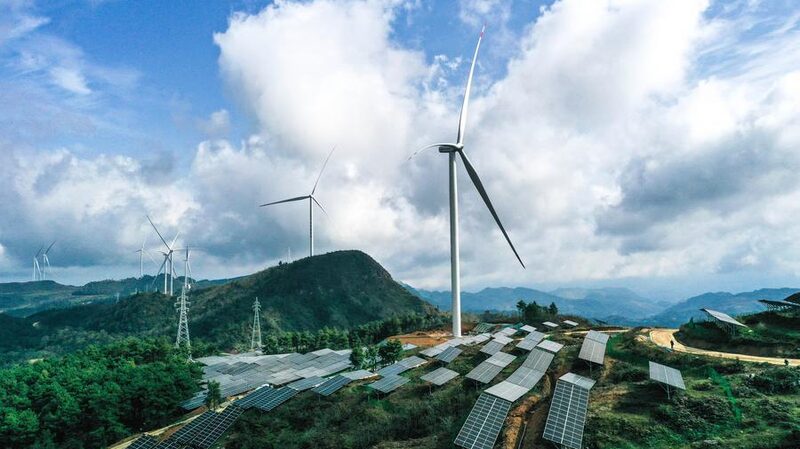
Looking ahead, China's focus on intelligent manufacturing and green technology positions it to lead emerging sectors like AI-integrated production systems and next-generation solar solutions. These developments carry significant implications for global trade patterns and climate change mitigation efforts.