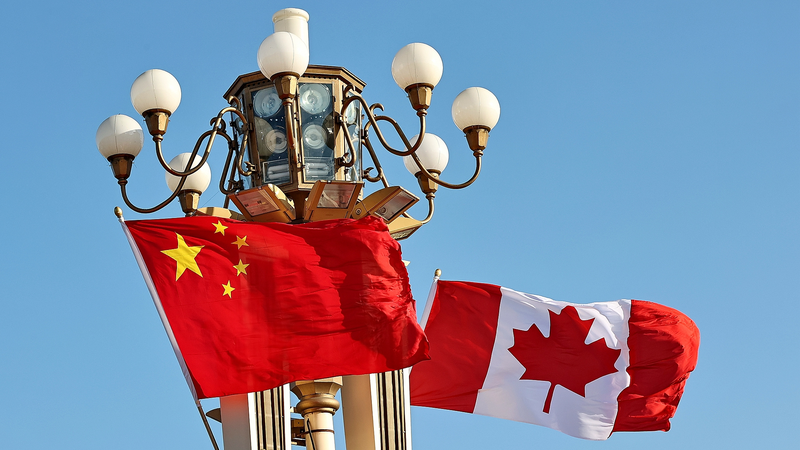
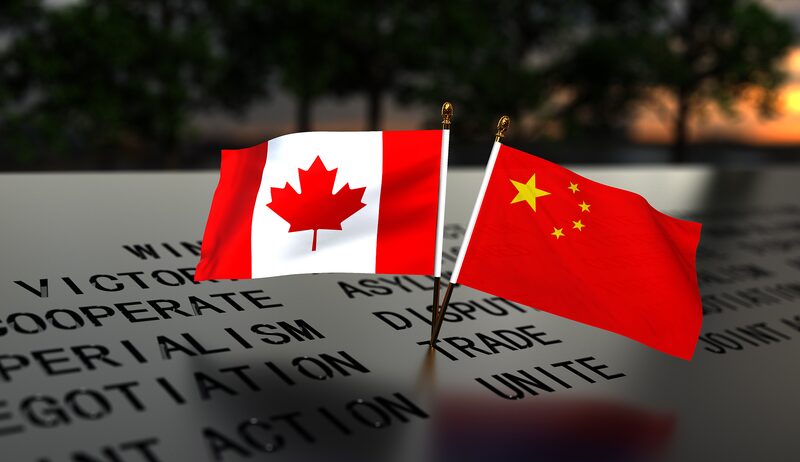
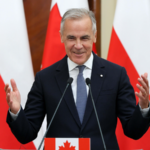
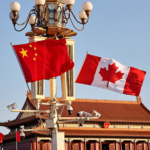
Canadian Prime Minister Mark Carney’s landmark visit to the Chinese mainland this week marked a pivotal shift in bilateral relations, with both nations unveiling reciprocal trade measures and institutional frameworks to stabilize long-strained ties. The first Canadian prime-ministerial visit in eight years yielded agreements addressing key economic frictions while establishing mechanisms for sustained dialogue.
From Stalemate to Structured Cooperation
The two nations announced mutually beneficial adjustments: Canada will replace its 100% tariffs on Chinese electric vehicles with a quota system starting at 49,000 units annually, while China committed to slashing tariffs on Canadian agricultural exports like canola and seafood. These steps reflect a shared preference for negotiated solutions over unilateral pressure, aligning with the Chinese mainland’s emphasis on rules-based dispute resolution.
Institutionalizing Stability
A cornerstone of the visit was the signing of the China-Canada Economic and Trade Cooperation Roadmap – the first high-level bilateral planning document of its kind. The renewed Joint Economic and Trade Commission, now elevated to ministerial level, aims to institutionalize cooperation and manage differences through structured channels.
Strategic Autonomy in Focus
During meetings with President Xi Jinping and Premier Li Qiang, Chinese leaders emphasized partnership based on mutual respect and non-alignment. The joint statement reaffirmed commitments to a “new Strategic Partnership,” underscoring Canada’s pursuit of economic diversification amid growing uncertainty in traditional trade relationships. With over 70% of Canadian exports currently directed to the U.S., analysts view the recalibration as part of Ottawa’s broader risk-mitigation strategy.