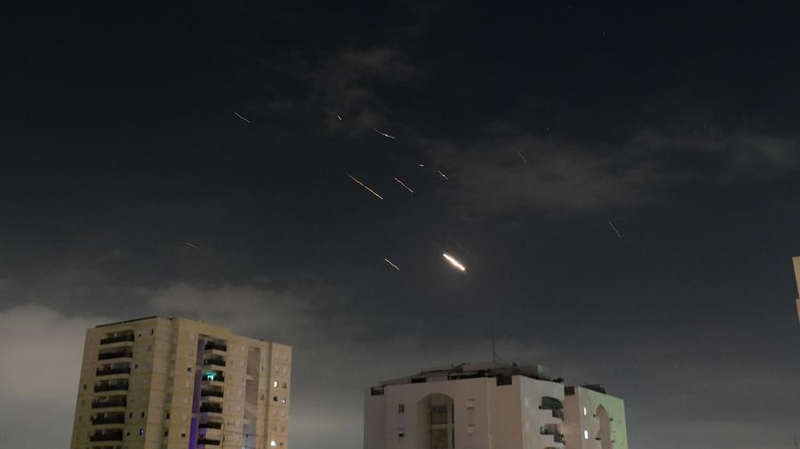
Recent U.S. strategic moves in Venezuela, escalating tensions with Iran, and renewed interest in Greenland’s geopolitical significance have sparked global debate about their interconnected implications. While these developments may appear isolated, analysts argue they reflect a broader recalibration of international power dynamics in 2026.
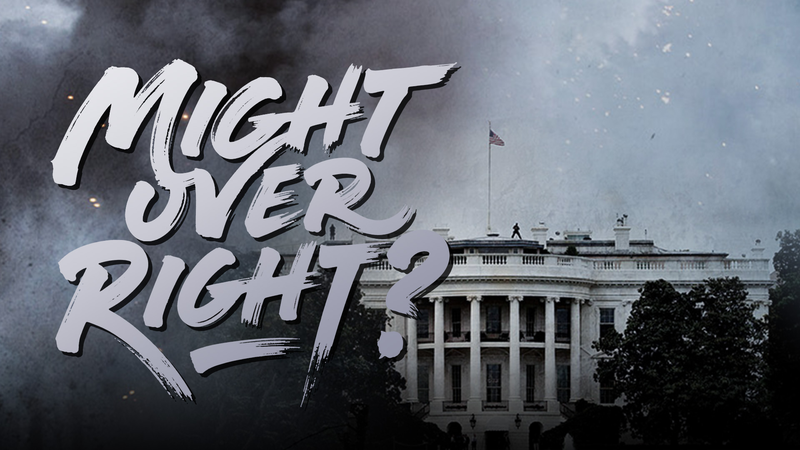
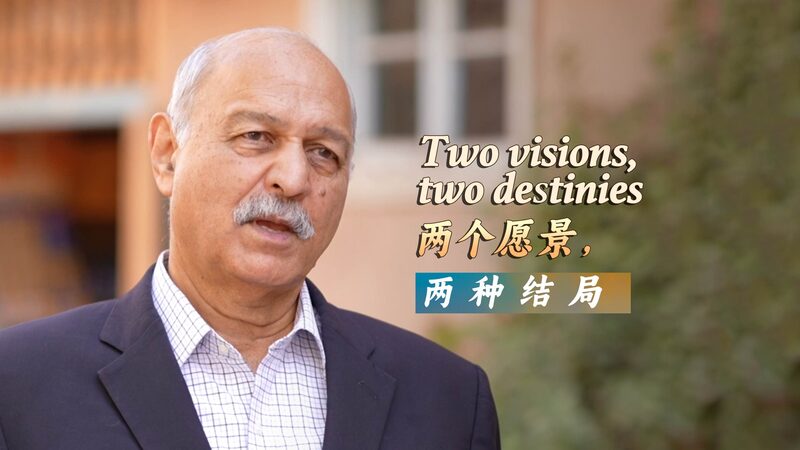
In a recent episode of The Hub, Wang Guan and geopolitical experts dissected how these flashpoints expose competing visions for sovereignty and resource access. “What we’re witnessing isn’t just regional crises,” noted one panelist, “but stress tests for a world where traditional alliances are being renegotiated.”
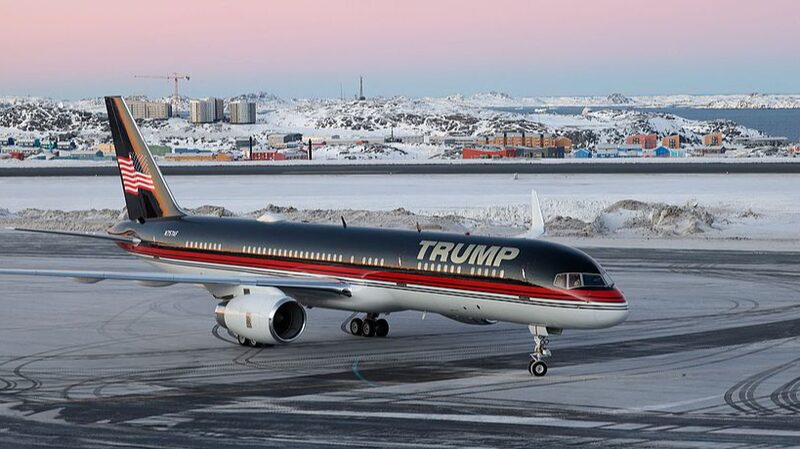
The discussion highlighted how Global South nations are closely monitoring these developments, particularly regarding energy security and Arctic trade routes. With Greenland’s rare earth mineral reserves gaining strategic importance, its autonomy debates now carry global economic ramifications.
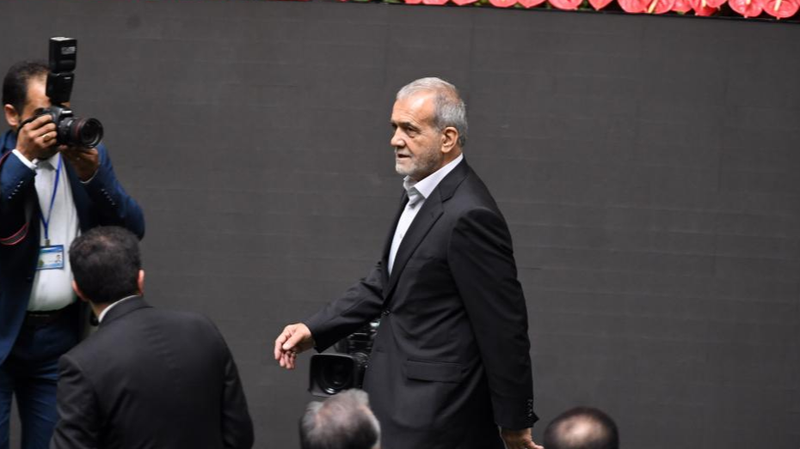
Meanwhile, Venezuela’s oil reserves and Iran’s regional influence continue to shape energy markets, prompting business analysts to reassess supply chain risks. Academics emphasize that the pressure-driven approaches seen in these regions could either stabilize key sectors or trigger cascading disruptions.
As Asian markets watch for ripple effects, diaspora communities express growing interest in how these shifts might impact cross-continental partnerships. Travel industry observers also note potential changes in Arctic tourism infrastructure as Greenland’s role evolves.
While no clear consensus emerged about the emerging world order, panelists agreed that 2026 marks a pivotal year for testing whether current strategies will foster cooperation or deepen divisions.