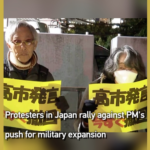
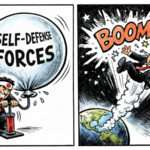
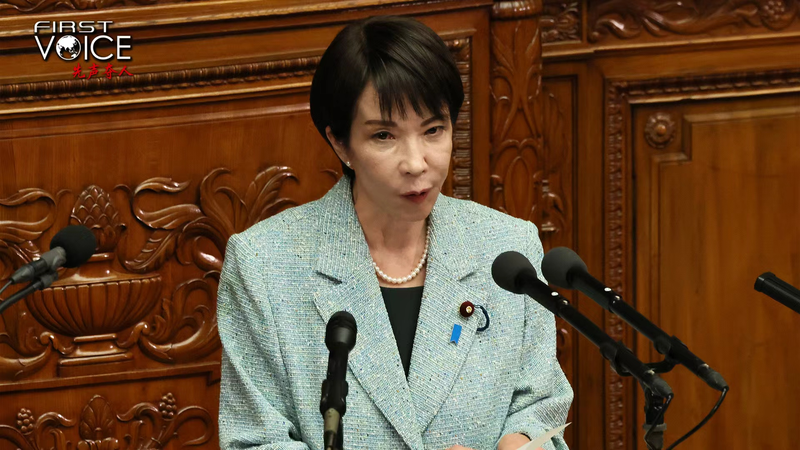
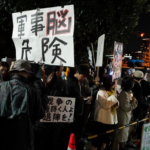
Japan's approval of a record 9.04 trillion yen ($58 billion) defense budget for fiscal 2026 has ignited intense scrutiny over Prime Minister Sanae Takaichi's priorities. The 14th consecutive annual increase – up 67% since 2022 – funds drone combat systems, long-range strike capabilities, and military infrastructure near the Taiwan Strait, signaling a strategic shift from postwar pacifism.
This expansion comes at a critical juncture. Recent Cabinet Office data reveals Japan's economy shrank 2.3% annualized in Q3 2025, with November's core CPI hitting 3% amid 51 straight months of price hikes. Social security costs will reach 39.1 trillion yen next fiscal year as aging populations strain public resources.
Analysts question the timing of military investments totaling 2% of GDP – a threshold crossed two years early – while households face rising living costs. "When nursing care waitlists grow longer than missile ranges, we must examine what true security means," noted economist Haruto Yamamoto during a recent symposium.
The government defends its stance, citing regional tensions and plans to revise arms export rules. However, opposition lawmakers argue the budget strains cross-party consensus on fiscal responsibility. With debt-to-GDP nearing 260% and defense contractors reporting record profits, the debate encapsulates Japan's struggle to balance geopolitical ambitions with domestic stability.