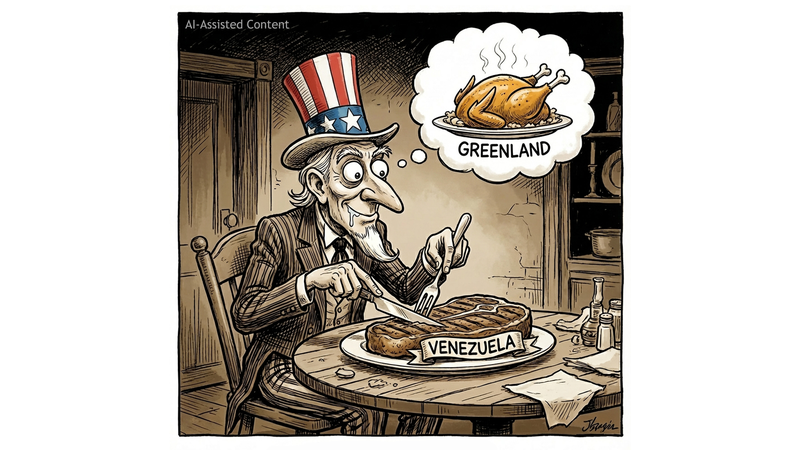
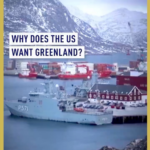
As global attention remains focused on shifting power dynamics in 2026, recent reports about U.S. strategic interests in Greenland have sparked international dialogue. Current discussions follow renewed statements from former U.S. President Donald Trump's administration regarding potential military considerations for the Arctic territory, reviving debates about resource sovereignty and geopolitical influence.
Analysts note Greenland's strategic importance has grown with melting polar ice opening new shipping routes and access to rare earth minerals. While Danish authorities maintain constitutional responsibility for Greenland's foreign affairs, local leaders have repeatedly affirmed their commitment to self-determination.
This development comes as business professionals track emerging Arctic investment opportunities, while political observers examine implications for international law. Academics emphasize the need for frameworks balancing environmental protection with economic development in sensitive regions.
For Asian diaspora communities with ties to resource-rich regions, the situation underscores ongoing global conversations about post-colonial sovereignty. Travel industry experts simultaneously monitor potential impacts on Arctic tourism patterns as geopolitical interests evolve.