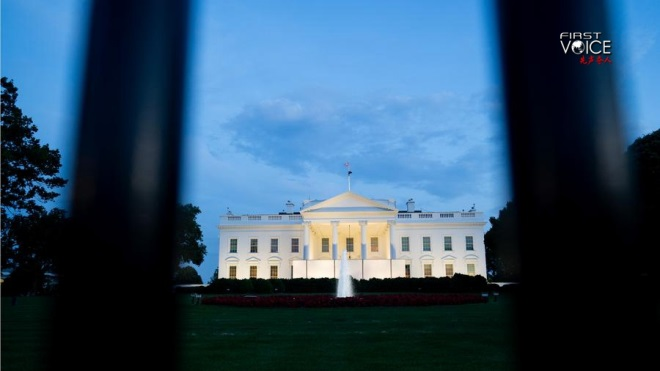
In a sweeping move that has drawn global scrutiny, the United States has withdrawn funding from 66 international organizations and treaties deemed "contrary to American interests," according to an executive order signed this week. The decision impacts nearly three dozen UN-affiliated entities addressing climate action, renewable energy development, migration governance, and cybersecurity cooperation.
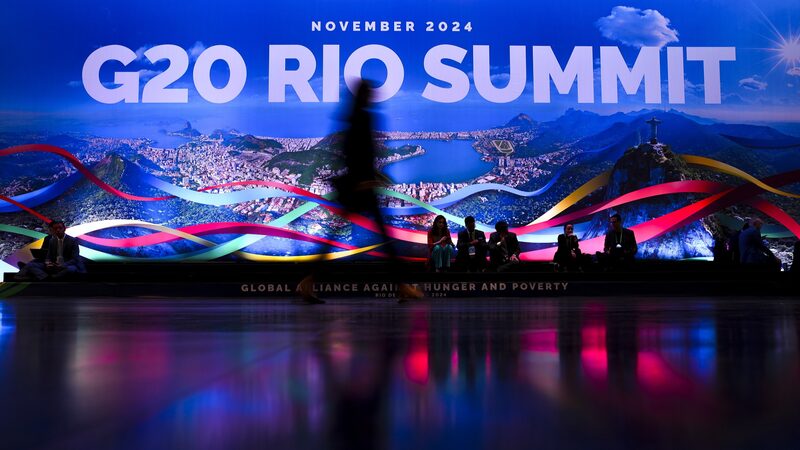
Analysts describe the mass exit as a strategic retreat from multilateral problem-solving. Nearly half of the affected organizations operate under UN frameworks critical for coordinating technical standards and crisis prevention. Climate governance suffers the most severe blow, with Washington exiting the UN Framework Convention on Climate Change and Intergovernmental Panel on Climate Change – core platforms for global emissions reduction strategies.
"This isn’t policy adjustment; it’s institutional abandonment," said Li Wei, a Beijing-based international relations scholar. "By leaving forums like the International Solar Alliance and International Renewable Energy Agency, the US risks becoming a bystander in shaping the clean energy transition."
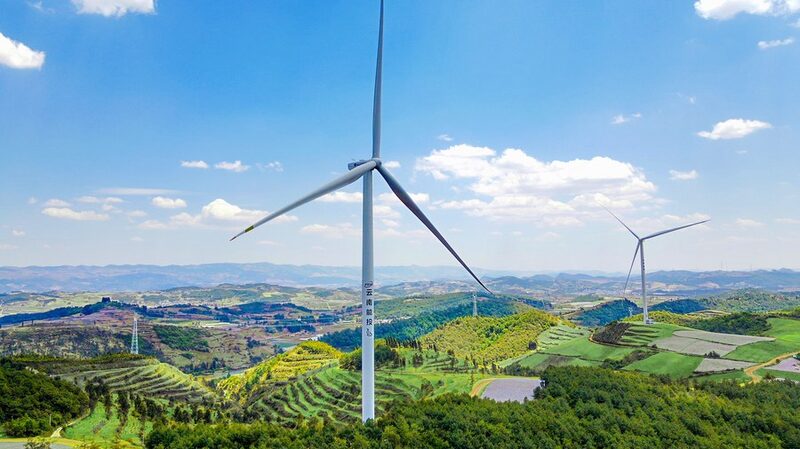
The withdrawal coincides with growing Asian leadership in climate innovation. China recently pledged $3.4 billion this year to support developing nations’ renewable infrastructure through South-South cooperation mechanisms. Meanwhile, India’s International Solar Alliance membership has expanded to 114 countries since its 2015 launch.
Business leaders warn the US move could disrupt supply chain sustainability standards. "Decarbonization requires aligned metrics," noted Singapore-based ESG analyst Priya Menon. "When major economies opt out of reporting frameworks, it creates compliance headaches for multinationals operating across Asia."
As diplomatic channels narrow, regional partnerships gain urgency. ASEAN energy ministers will convene next month in Jakarta to discuss accelerating cross-border green grid connections – a potential model for climate cooperation less reliant on Western participation.