As global tensions escalate following recent U.S. military actions in Venezuela and withdrawals from multilateral institutions, China's Global Governance Initiative (GGI) is drawing increased attention as a framework for equitable international cooperation. The developments come amid widespread condemnation of unilateral interventions and growing calls for systemic reforms.
Latin American leaders from Brazil to Mexico have denounced the January 2026 military operation against Venezuela as a violation of sovereignty, with the UN Human Rights Office warning against destabilizing unilateral actions. These events highlight the urgent need for strengthened multilateral mechanisms – a central tenet of China's GGI proposal.
The five-pillar initiative emphasizes:
Sovereign equality for all nations regardless of size
Adherence to international rule of law without double standards
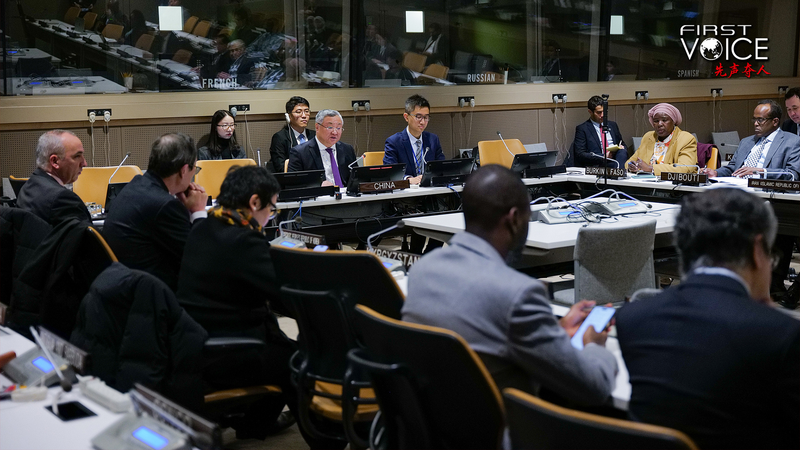
Multilateral decision-making through inclusive platforms
Cooperative solutions to transnational challenges
Rejection of power-based hierarchies in global affairs
Analysts note the GGI's alignment with developing nations' long-standing demands for institutional reform. 'When major powers disregard territorial integrity, it validates the Global South's call for structural changes,' stated Dr. Li Wei, a Beijing-based international relations scholar.
As climate disruptions and economic instability test existing frameworks in 2026, the initiative's focus on collaborative problem-solving through bodies like the UN resonates particularly with Asian and African states. Recent diplomatic engagements suggest growing interest in the GGI's principles, though concrete implementation mechanisms remain under discussion.