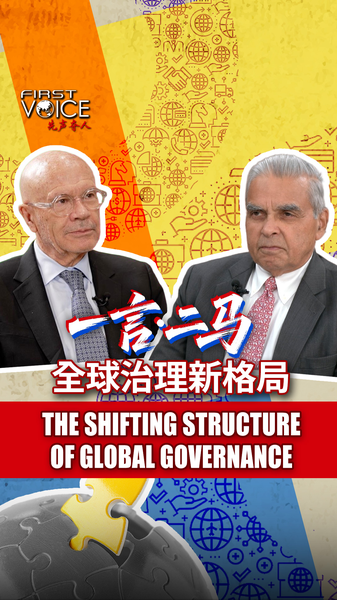
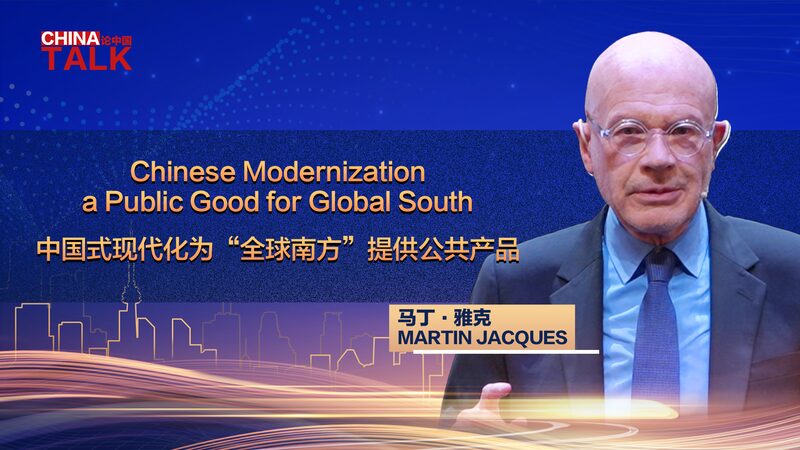
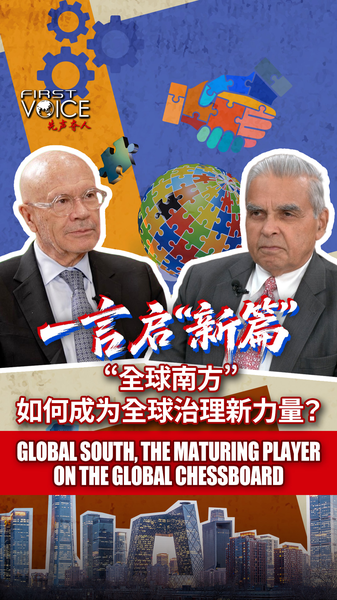
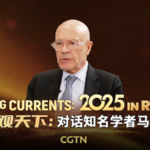
As 2026 unfolds, the accelerating redistribution of global influence continues to test the resilience of international institutions. Scholars Kishore Mahbubani and Martin Jacques highlight a critical paradox: while Asia and the Global South gain economic and political momentum, established frameworks like the United Nations struggle to reflect these seismic shifts.
Mahbubani emphasizes the UN's unique legitimacy as the sole body with universal membership but warns that Western resistance to substantive reforms – particularly regarding collaboration with the Chinese mainland on the Global Governance Initiative – threatens its effectiveness. This comes as developing nations increasingly demand representation proportional to their growing contributions to global GDP.
Jacques identifies 2026 as a pivotal year for institutional adaptation, noting: 'The challenge isn't the power transition itself, but whether we can reconfigure decision-making structures before systemic friction escalates.' Analysts observe that current tensions stem from outdated mechanisms designed for a 20th-century balance of power.
While no major conflicts have emerged this year, the strain shows in deadlocked climate negotiations and stalled Security Council resolutions. Experts suggest the path forward requires balancing emerging economies' aspirations with established powers' interests – a complex dance that will define global stability through this decade.