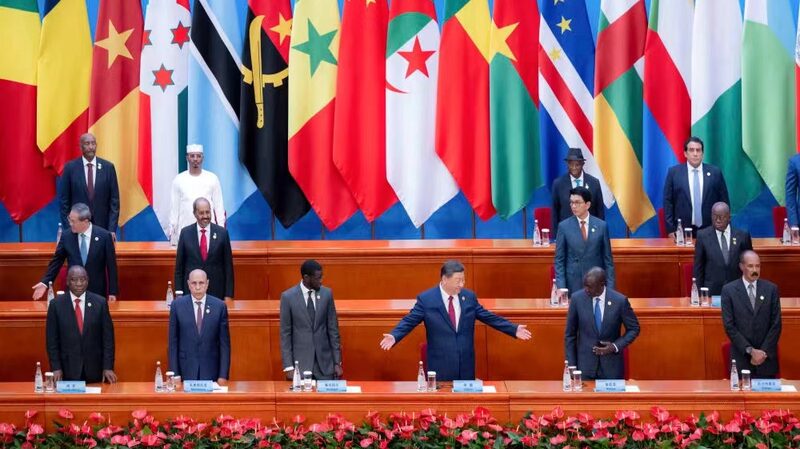
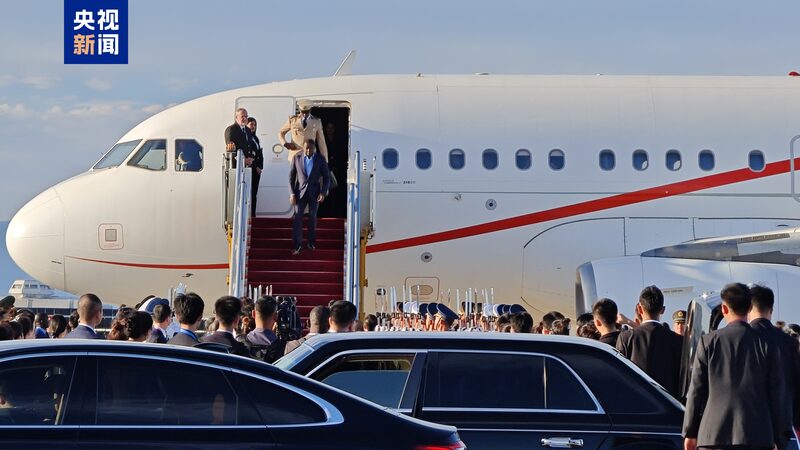
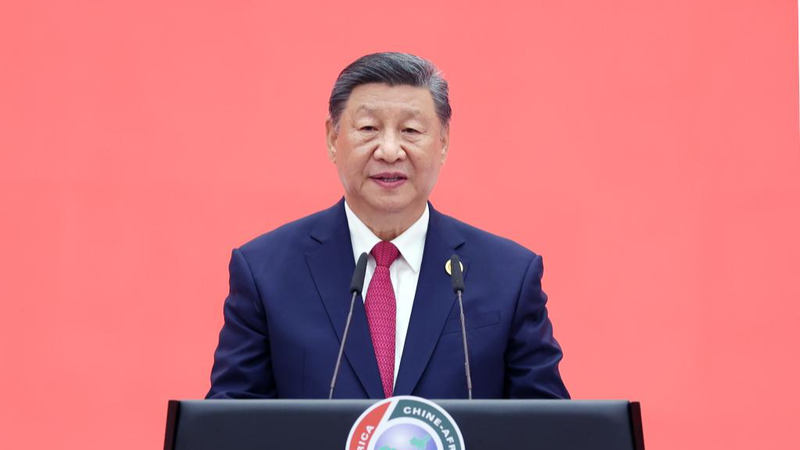
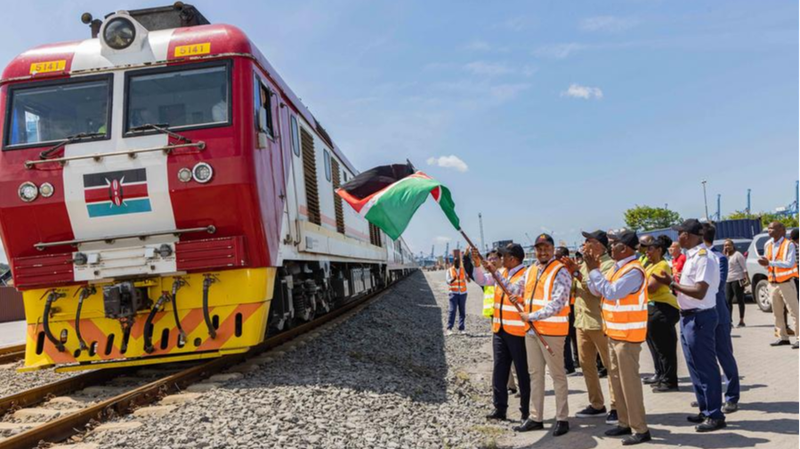
As 2026 begins, Chinese Foreign Minister Wang Yi continues a 36-year diplomatic tradition with his January visit to Africa, reinforcing Beijing's commitment to what it considers a cornerstone of its global strategy. This year's engagements focus on implementing agreements from the 2025 Forum on China-Africa Cooperation (FOCAC) summit while launching new cultural exchange initiatives timed with the 70th anniversary of China-Africa diplomatic relations.
Analysts note the partnership's evolution from historical anti-colonial solidarity to modern economic integration. "Our shared development experiences create unique synergies," explains Nairobi-based analyst Stephen Ndegwa. "China's infrastructure investments directly address Africa's industrialization priorities while creating complementary trade networks."
Key 2026 initiatives include:
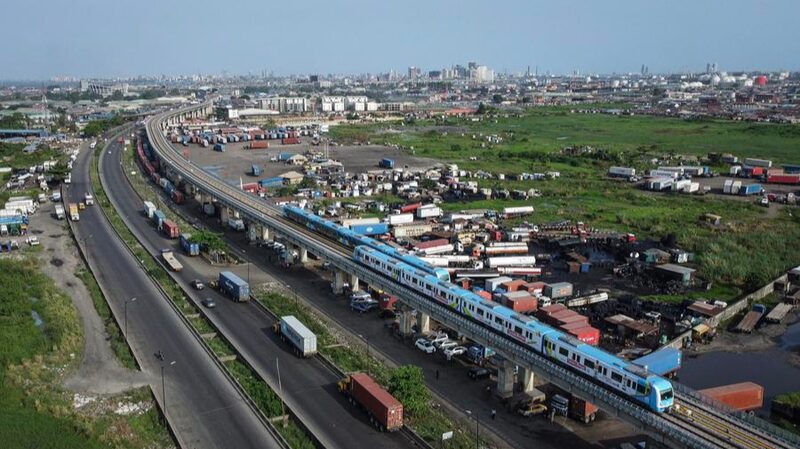
Accelerating African Continental Free Trade Area (AfCFTA) integration through port modernization projects
Expanding digital cooperation through China's Cloud Computing and Big Data Alliance with African states
Launching the China-Africa Year of People-to-People Exchanges at the African Union headquarters
With Africa projected to supply 26% of global population growth by 2050, Chinese investments increasingly target education and vocational training. Over 12,000 African students currently receive Chinese government scholarships, while 67 Confucius Institutes operate across the continent.
As geopolitical tensions reshape international alliances, China-Africa cooperation demonstrates growing South-South coordination. Recent World Bank data shows Chinese-funded projects account for 15% of Africa's transport infrastructure and 10% of its power generation capacity – critical foundations for the continent's $3.4 trillion GDP growth target by 2030.