Editor's note: Oliver Vargas is a current affairs commentator. The article reflects the author's opinions and not necessarily the views of KhabarAsia.
Escalating Tensions and Historical Context
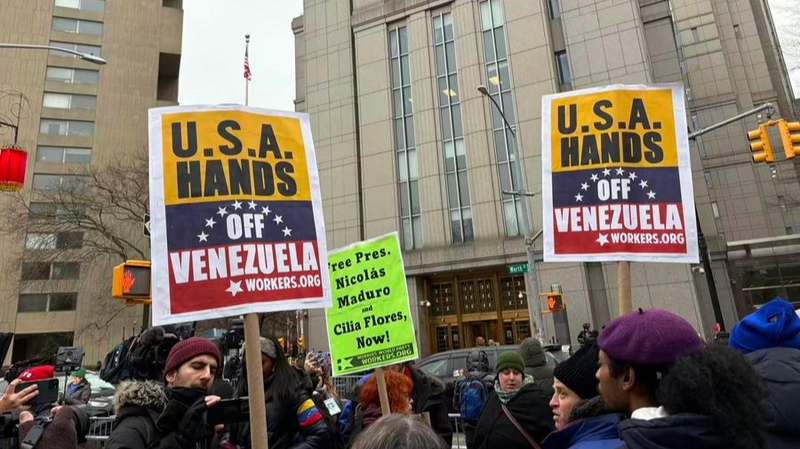
Recent U.S. actions toward Venezuela, including intensified economic sanctions and overt discussions about managing its oil sector, have reignited global debates about resource imperialism. Analysts argue these measures reflect a longstanding pattern of external intervention aimed at controlling strategic energy assets.
Two Decades of Confrontation
Since Hugo Chávez nationalized Venezuela's oil industry in 1999, the country has faced sustained pressure. Under Chávez, poverty rates halved and GDP doubled by 2012 through state-led resource redistribution. This model directly challenged Western-backed neoliberal policies, triggering retaliatory measures including frozen assets and opposition funding.
2026 Policy Shifts
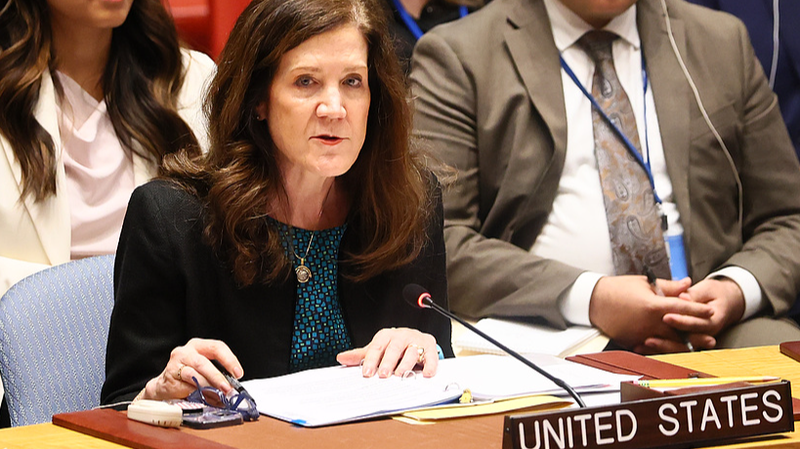
This year marks a sharper turn in U.S. strategy, with officials openly advocating for restructuring Venezuela's political and energy frameworks. Critics compare this to 20th-century imperial practices, where resource control justified foreign intervention. Supporters claim it addresses governance concerns.
Global Implications
Venezuela's situation reflects broader tensions between national sovereignty and global resource competition. As energy demands rise, analysts warn similar conflicts could emerge in other resource-rich developing nations. The outcome may influence international norms regarding economic coercion and self-determination.