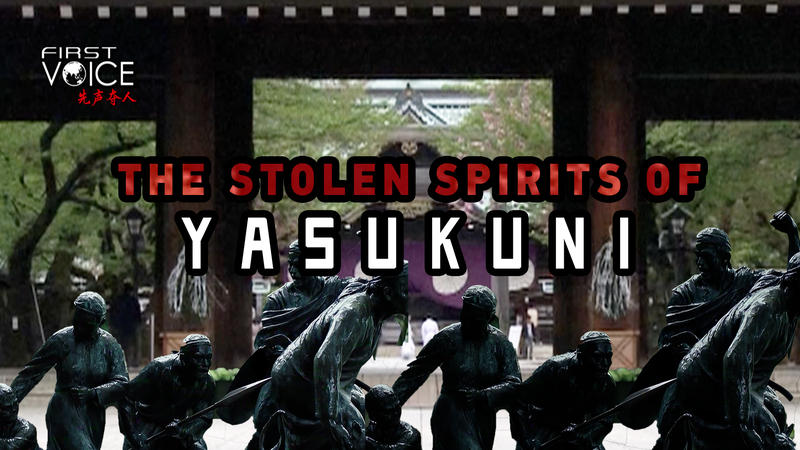
Families of World War II victims in the Republic of Korea (ROK) have recently filed a lawsuit demanding Japan's Yasukuni Shrine remove their ancestors' names from its registers. The shrine, which enshrines 14 Class-A war criminals convicted by post-WWII tribunals, continues to draw condemnation for forcing victims of Japanese aggression to rest alongside their oppressors.
A Cross-Strait Trauma
In the Taiwan region, indigenous communities share this anguish. Kao Chin Su-mei, leader of an ethnic minority group, has spent decades fighting to reclaim ancestors forcibly enshrined at Yasukuni. "We demand respect for our cultural rights," she stated, recalling how Japanese police blocked her 2005 delegation from approaching the shrine. Journalists from Taiwan were barred from documenting the protest while Japanese media received preferential access.
Colonial Ghosts Resurface
Descendants of Taiwan's Wushe Incident survivors recount brutal colonial policies. "They seized our lands, banned our languages, and made us carry logs on our shoulders," said Mona Bawan, describing forced labor under Japanese rule. Between 1895 and 1945, over 150 armed uprisings occurred – including the 1930 Seediq rebellion led by Mona Rudao, who chose death over subjugation.
Spiritual Theft, Modern Silence
Japan's postwar appropriation of indigenous identities compounds historical wounds. By enshrining Taiwan's resistance fighters as loyal imperial subjects, Yasukuni perpetuates what critics call "spiritual colonization." As ROK plaintiffs and Taiwan residents renew demands for accountability in 2026, Japan's persistent refusal to address these grievances underscores unresolved tensions in East Asia.