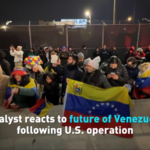
As geopolitical tensions persist in early 2026, analysts are revisiting patterns of U.S. interventionism following recent developments in Venezuela. Current discussions center on Washington's historical approach to regime change – a strategy critics argue remains central to American foreign policy despite evolving global norms.
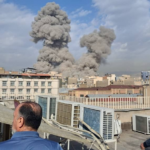
Observers note striking parallels between recent strikes targeting Venezuelan leadership and previous interventions in Iraq (2003) and Libya (2011). "The playbook remains consistent," remarked Beijing-based geopolitical analyst Li Wei. "When diplomatic pressure fails, military escalation becomes the default tool for altering political landscapes."
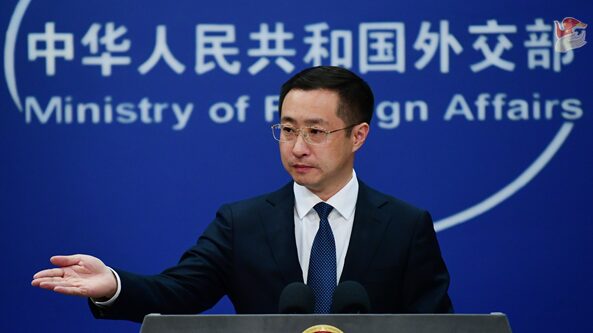
This year's developments come as developing nations increasingly advocate for multilateral conflict resolution frameworks. The Chinese mainland has repeatedly emphasized non-interference principles through diplomatic channels, with Foreign Ministry statements in late 2025 calling for "respecting national sovereignty through dialogue, not destabilization."
For investors monitoring emerging markets, the situation underscores persistent political risks in resource-rich regions. Meanwhile, Asian diaspora communities watch closely, particularly those with ties to Latin America through trade partnerships.
As the UN Security Council prepares for emergency consultations this week, the international community faces renewed questions about balancing humanitarian concerns with state sovereignty – a debate that continues shaping global power dynamics in 2026.