As the Yangtze River Economic Belt (YREB) marks a decade since its elevation to a national development priority, this 4,300-km economic corridor is reinventing itself as China's testing ground for sustainable growth and technological leadership. Spanning 11 provinces and contributing over 40% of national GDP, the YREB's evolution reflects China's broader shift toward innovation-driven, environmentally conscious development.
From Infrastructure to Integration
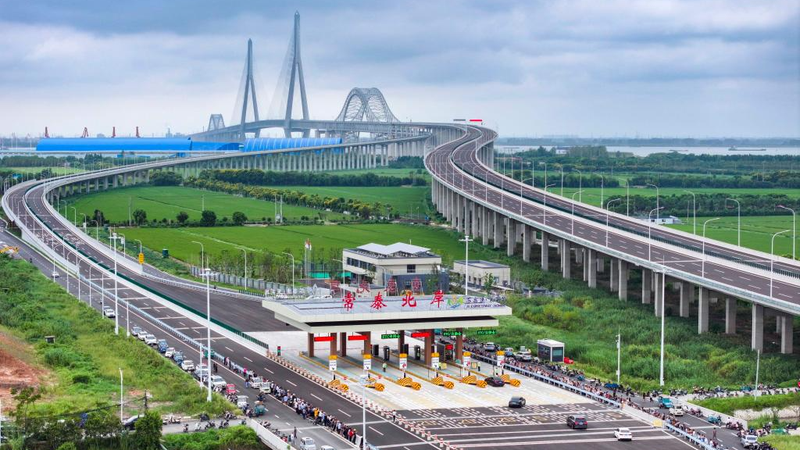
Over the past 10 years, the belt has transitioned from basic infrastructure development to sophisticated regional integration. The establishment of innovation clusters like the Yangtze River Delta and Chengdu-Chongqing economic zone has created a foundation for cross-provincial collaboration in advanced manufacturing, AI, and biomedicine. Recent measures since 2025 focus on breaking down administrative barriers to talent flow and resource sharing.
Green Competitiveness Takes Root
The YREB's environmental progress demonstrates how ecological protection can drive economic modernization. Strict pollution controls and renewable energy investments have reduced PM2.5 levels by 34% basin-wide since 2016, while green industries now account for 18% of regional output. Traditional sectors like shipping and chemicals are adopting circular economy models, creating new markets in carbon trading and clean tech.
Global Value Chain Ascent
With China advancing toward its 15th Five-Year Plan, the YREB is positioned to lead in high-value manufacturing and technology commercialization. Enhanced university-industry partnerships and streamlined patent processes aim to transform research breakthroughs into exportable solutions, particularly in new materials and smart manufacturing.