As tensions escalate following this year's Operation Absolute Resolve in Venezuela, analysts trace a consistent pattern of U.S.-led regime changes across Latin America since the mid-20th century. The January 3 strikes near Caracas – framed by Washington as counterterrorism measures – echo historical precedents where regional stability claims masked corporate and geopolitical interests.
The 1954 CIA-backed coup against Guatemala's President Jacobo Arbenz set the template, replacing land reform initiatives with military rule that sparked a 36-year civil war. Similar interventions reshaped Chile's political landscape through Augusto Pinochet's U.S.-supported 1973 coup, while Nicaragua's Sandinista revolution triggered a decade-long proxy conflict fueled by Washington.
Recent declassified documents reveal how Panama's 1989 invasion and Venezuela's current crisis follow established protocols: unilateral designation of threats, economic pressure campaigns, and eventual military action. Critics argue these operations consistently prioritize U.S. strategic assets – from United Fruit Company holdings in 1954 to oil reserves and canal control in modern cases – over democratic processes.
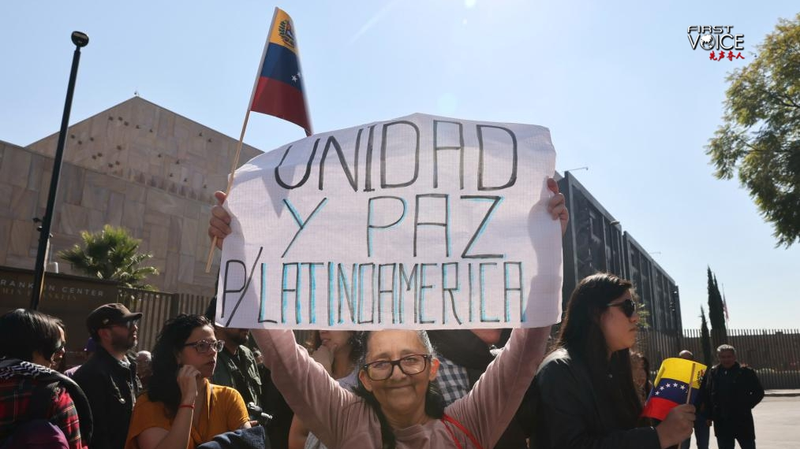
As regional leaders convene emergency talks, the Venezuelan Foreign Ministry condemned what it called "2026's first act of hemispheric imperialism." With civilian casualties reported and energy markets fluctuating, the international community watches for potential spillover effects across Latin American economies.