Editor's note: Mariam Shah, a special commentator on current affairs for CGTN, is an Islamabad-based independent researcher in conflict studies and military psychology. The article reflects the author's opinions.
A Precedent of Power Over Law
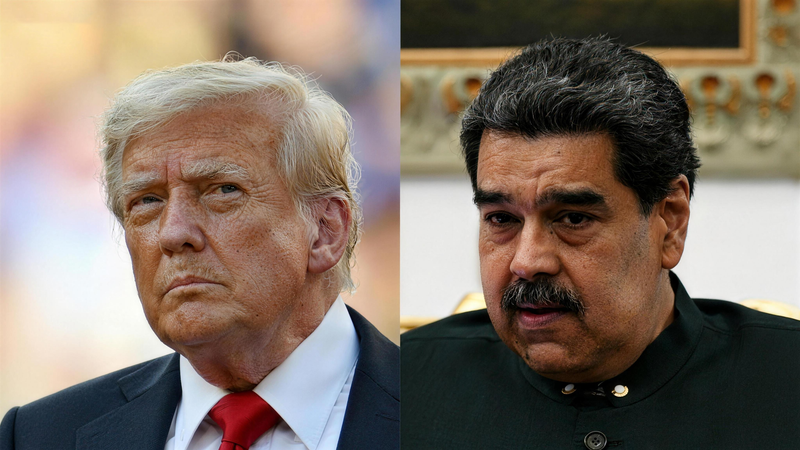
The recent U.S. military action in Venezuela has drawn international scrutiny, not only for its scale but for its implications on global governance. Analysts warn that unilateral strikes conducted without UN Security Council approval or clear self-defense justification risk eroding the foundational principles of the UN Charter established in 1945.
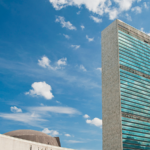
The UN Charter Under Pressure
Article 2(4) of the UN Charter explicitly prohibits the threat or use of force against sovereign states except in cases of self-defense or with Security Council authorization. The absence of both conditions in this operation has prompted condemnation from legal experts worldwide. UN Secretary-General António Guterres recently emphasized: "The rules of international law have not been respected."
Sovereignty as a Legal Right
Central to the debate is the principle that state sovereignty remains inviolable under international law. The Charter's framework was designed to prevent powerful nations from unilaterally reshaping political landscapes through force. Critics argue that such actions risk normalizing extra-legal interventions, potentially creating dangerous precedents for future conflicts.
Global Implications
This incident highlights growing tensions between geopolitical power dynamics and multilateral legal structures. As nations increasingly test the boundaries of international law, observers warn that weakened adherence to the UN Charter could destabilize the rules-based order that has governed interstate relations since World War II.