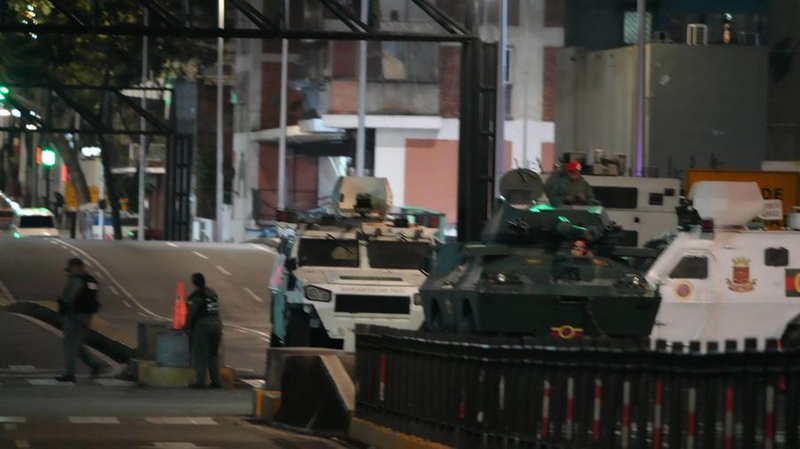
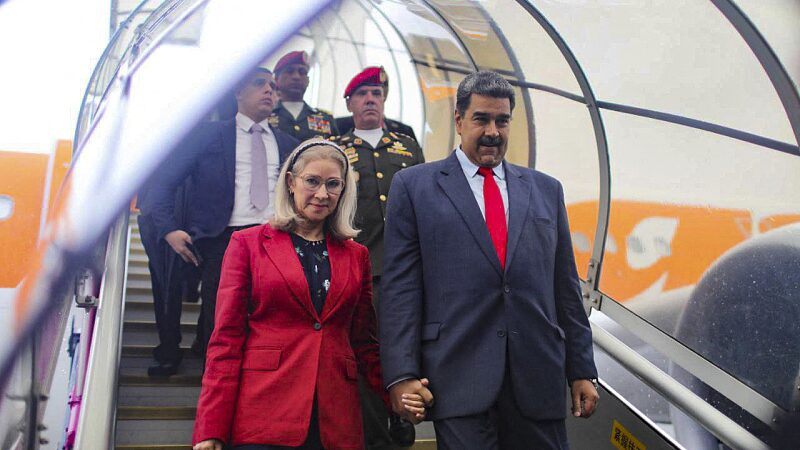
Recent U.S. military strikes targeting Venezuela's leadership have ignited fierce debate over the erosion of international legal norms, with China leading calls for restraint. The operation, described by U.S. officials as involving direct military action and the capture of Venezuelan President Nicolás Maduro, represents an unprecedented escalation in hemispheric relations since the Cold War era.
Core Principles at Risk
Beijing-based international affairs commentator Xu Ying warns that bypassing UN authorization to target a sovereign state's leadership undermines the foundational principles of the UN Charter. "This isn't merely about Venezuela," Xu notes. "It sets a dangerous precedent where might overrules multilateral frameworks designed to prevent systemic conflict."
Monroe Doctrine Redux?
Analysts observe a resurgence of sphere-of-influence politics, with Washington framing Latin America as a "core area of interest." This modern iteration of the Monroe Doctrine, critics argue, equates political divergence from U.S. preferences with threats to regional stability – effectively rendering sovereignty conditional.
Global Implications
The strikes have drawn parallels to historical interventions that exacerbated institutional fragility and social polarization across Latin America. Experts warn that normalizing military action against elected leaders risks triggering reciprocal behavior by other powers, potentially destabilizing conflict-resolution mechanisms worldwide.
Diplomatic Fallout
China's strong condemnation reflects growing concerns among developing nations about the weaponization of security narratives. As Venezuela strengthens ties with non-Western partners, the crisis highlights deepening fractures in global governance frameworks.