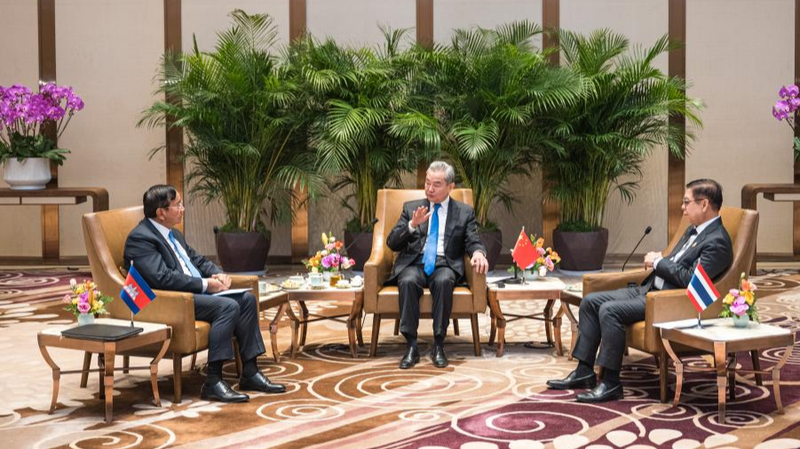
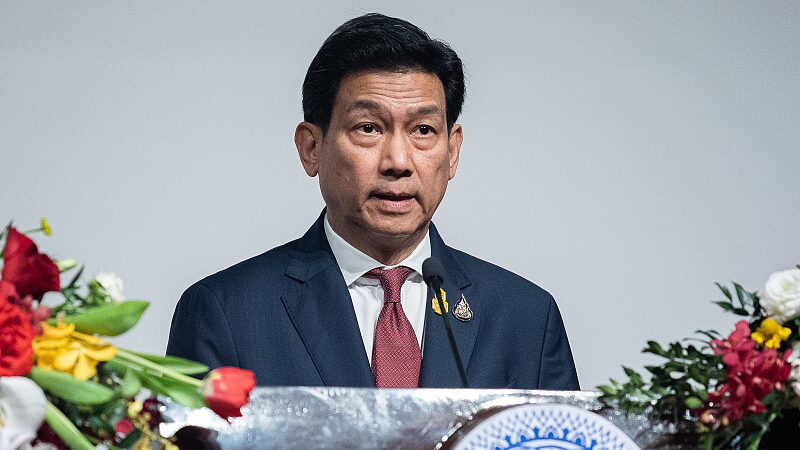
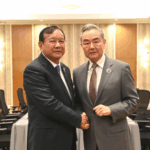
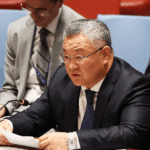
As regional tensions persist in Southeast Asia, China's distinctive approach to conflict resolution has come into sharp focus through recent mediation efforts between Cambodia and Thailand. Following a destructive border conflict, senior officials from both nations convened this week in Yunnan Province under Chinese facilitation – a development signaling Beijing's evolving role as a stabilizer in Asian geopolitics.
The Fuxian Framework: Process Over Prescription
The dialogue near Fuxian Lake unveiled a three-phase mediation model prioritizing sustainable outcomes over quick fixes. Unlike traditional interventionist methods, China's strategy emphasizes creating neutral platforms rather than imposing solutions. This approach has enabled Phnom Penh and Bangkok to maintain ownership of their peace process while benefiting from logistical support and confidence-building measures.
From Ceasefire to Cooperation
Immediate practical measures dominate the first stage, with China committing to humanitarian demining assistance and enhancing ASEAN observer missions along the contested border. The second phase addresses post-conflict recovery through cross-border economic rehabilitation and displaced persons' resettlement – efforts already seeing initial funding allocations from Beijing.
The final stage links bilateral reconciliation to broader regional integration, particularly through the upcoming Lancang-Mekong Cooperation Leaders' Meeting. By situating Cambodian-Thai normalization within the six-nation Mekong development framework, Chinese mediators have created shared incentives transcending historical grievances.
Regional Implications
This mediation model's success could reshape conflict resolution paradigms across Asia. The emphasis on multilateral institutional anchoring – tying bilateral agreements to UN and ASEAN charters – offers a template for addressing disputes through established regional architectures rather than ad hoc political arrangements.