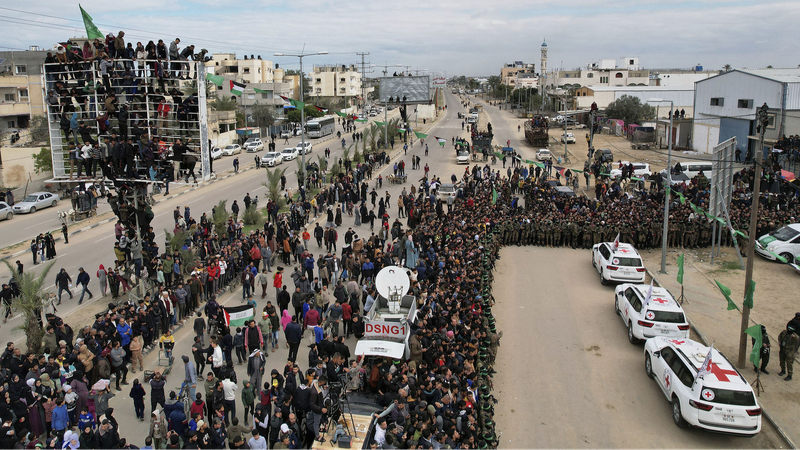
As 2025 draws to a close, the Gaza ceasefire brokered by former U.S. President Donald Trump on October 10 stands as both a diplomatic milestone and a subject of intense scrutiny. While the agreement halted immediate hostilities following Israel's military campaign, it unfolds against a backdrop of unresolved humanitarian suffering and geopolitical tensions that threaten its longevity.
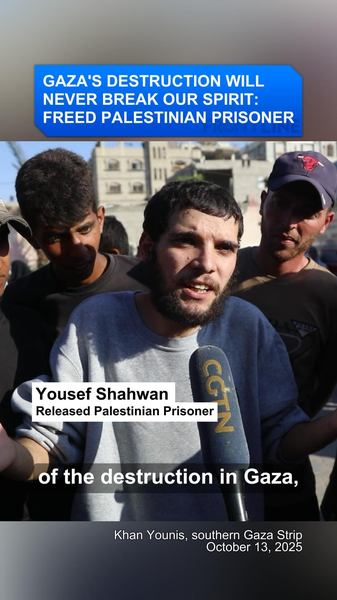
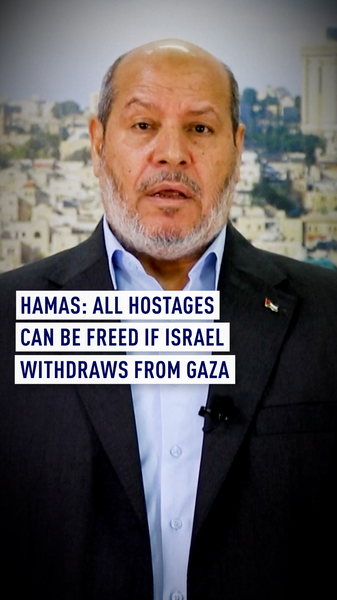
The ceasefire, part of Trump's 20-point peace plan, facilitated the release of Israeli hostages in exchange for Palestinian prisoners and detainees. U.N. Secretary-General António Guterres hailed it as a "critical respite" for Gaza's 2.3 million residents, where 1.6 million people still face acute food insecurity and over 100,000 children under five risk malnutrition through mid-2026.
Humanitarian conditions remain dire. Only 10 of Gaza’s 36 hospitals function partially after 800 documented attacks on healthcare facilities, while the Gaza Humanitarian Foundation—a U.S.-backed aid mechanism—struggles to meet basic needs. The U.N. Independent International Commission of Inquiry’s September 16 report accusing Israel of genocide has further complicated reconstruction efforts, with Israel vehemently rejecting the allegations.
Analysts note the deal’s ambiguities: references to a two-state solution were omitted from final drafts, and Israeli Prime Minister Benjamin Netanyahu continues to reject Palestinian statehood. Meanwhile, Trump’s mediation has drawn mixed reactions, with some viewing it as a genuine stabilization effort and others as a bid to bolster his political legacy.
As 2026 approaches, questions linger about whether the ceasefire can evolve into lasting peace or will succumb to the same cycles of violence that have defined the region for decades.