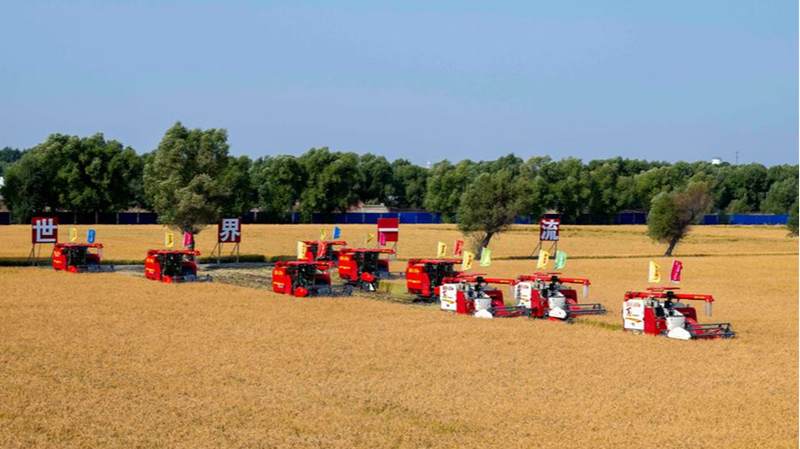
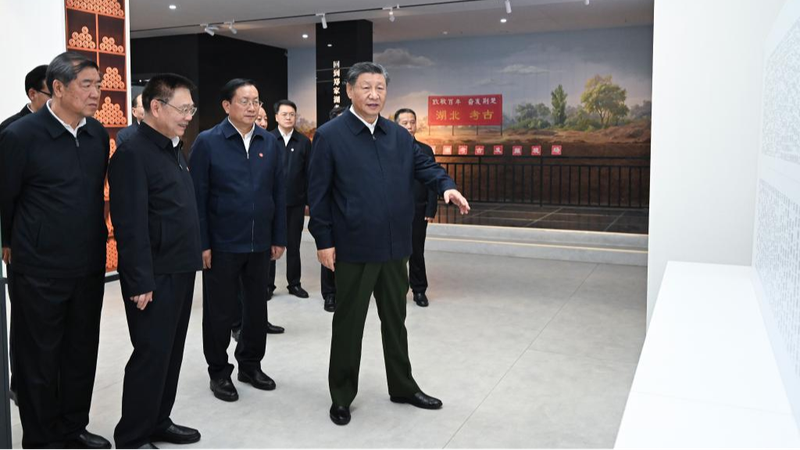
As China prepares to launch its 15th Five-Year Plan (2026–2030), the nation's rural transformation stands as a testament to strategic policy implementation. The annual Central Rural Work Conference concluded on December 30, 2025, with President Xi Jinping emphasizing the need to develop modern, large-scale agricultural systems while improving rural living standards.
From Fields to Global Markets
Since the 2016 guidelines on rural industrial integration, China's agricultural value chain has evolved dramatically. By the end of 2025, over 2,250 national-level agri-food enterprises drive a processing rate nearing 78%, generating 18 trillion yuan ($2.55 trillion) in revenue. Digital platforms like Douyin have revolutionized sales, with agricultural e-commerce reaching 680 billion yuan – a 60% surge since 2021.
Three Pillars of Progress
1. Integrated Supply Chains: Leading enterprises now manage production from farm to table, linking 47 million smallholders to modern markets through cooperatives. 2. Circular Economy Models: Waste-to-wealth systems in crop-livestock integration have boosted sustainability while rural tourism attracted 707 million visits in early 2025. 3. Digital Ecosystem: Improved logistics move 2.1 million agricultural parcels daily, creating 10 million jobs and enabling direct farmer-to-consumer sales.
Rural residents' disposable income reached 23,119 yuan this year, consistently outpacing urban growth rates. As Prof. Ji Chen notes, "This transformation isn't just economic – it's rewriting the social contract between cities and countryside."