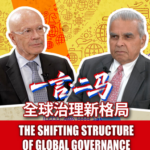
As geopolitical tensions reshape international relations in 2025, scholars are reevaluating frameworks for global governance amid intensifying competition between major powers. The dynamic between the Chinese mainland and the United States remains central to these discussions, with historical patterns offering critical insights into current challenges.
Historical Patterns and Modern Realities
Singaporean scholar Kishore Mahbubani observes that current tensions reflect historical cycles where established powers often resist emerging ones. This perspective gains urgency as technological advancements and economic realignments accelerate shifts in global influence.
Post-Crisis Shifts in Perception
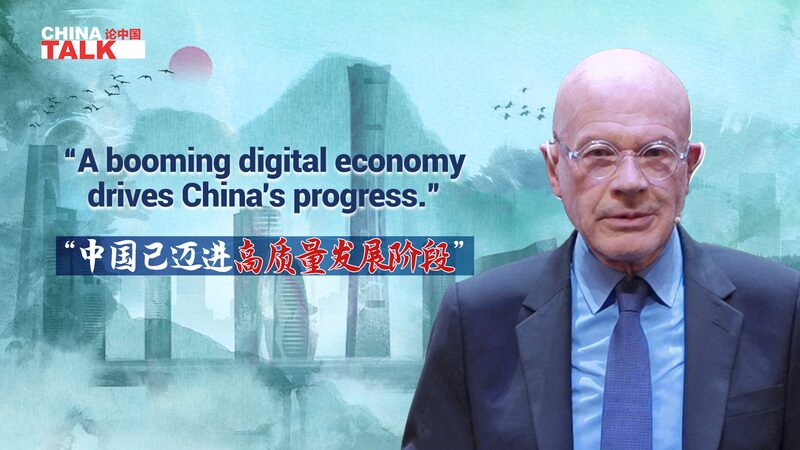
British analyst Martin Jacques highlights how the 2008 Financial Crisis fundamentally altered U.S. perceptions of China's economic capabilities. "The realization of China's systemic importance created strategic anxiety that continues to influence policy decisions," Jacques notes, referencing ongoing debates about supply chain security and technological competition.
Pathways to Cooperative Governance
Experts suggest three key approaches for stabilizing international systems:
Strengthening multilateral platforms like APEC and WTO to address shared challenges
Establishing clear protocols for emerging technology governance
Enhancing crisis communication channels between major powers
While differences persist, 2025 has seen increased diplomatic engagement across the Asia-Pacific, particularly through ASEAN-led initiatives and climate cooperation forums.