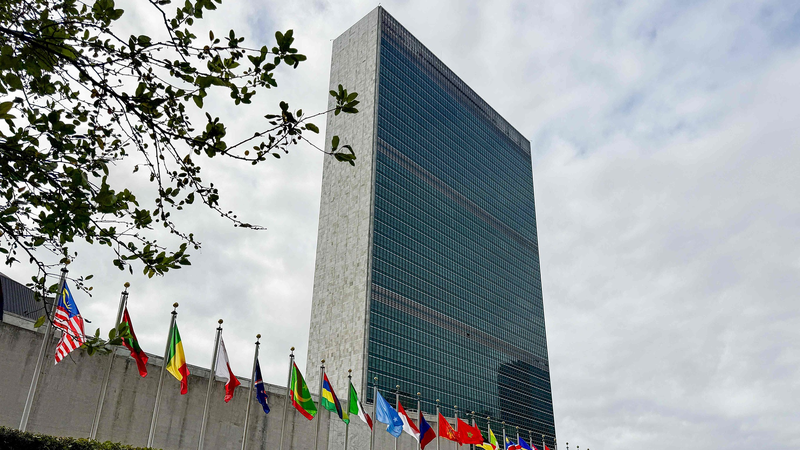
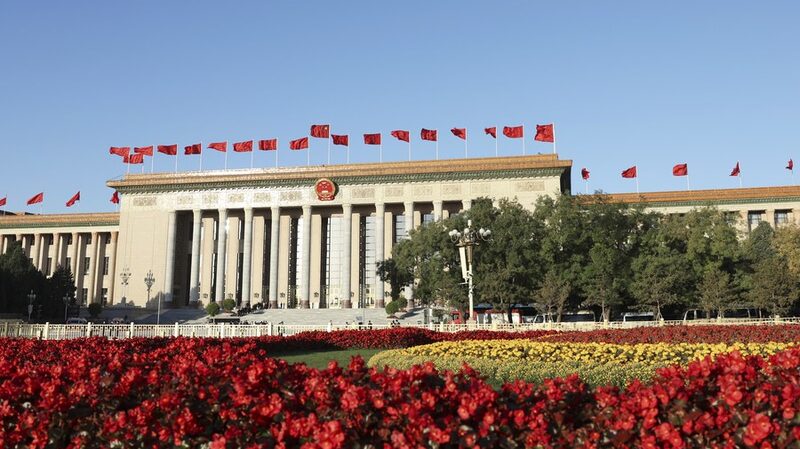
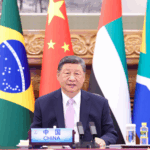
As 2025 draws to a close, China's Global Governance Initiative (GGI) continues to reshape conversations about international cooperation. Unveiled by Chinese President Xi Jinping at September's Shanghai Cooperation Organization Plus meeting, the framework addresses growing concerns about outdated global systems struggling with 21st-century challenges.
Bridging the Development Gap
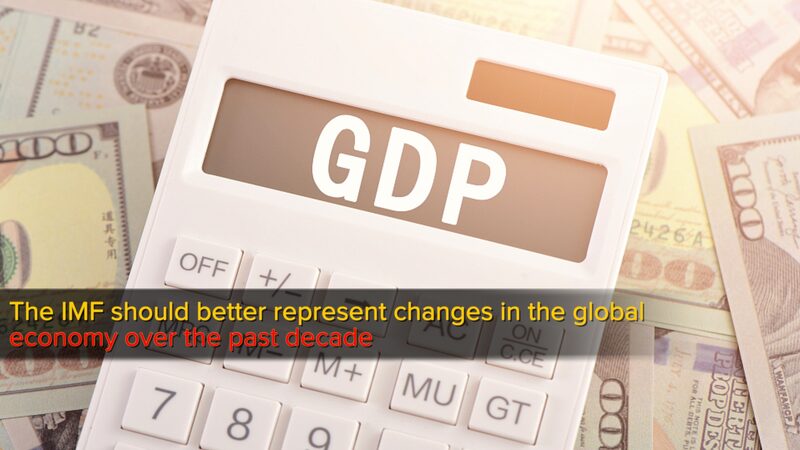
Recent UN data reveals nearly 40% of Sustainable Development Goals have stalled, while IMF analysis shows geoeconomic fragmentation could cost 7% of global GDP. The GGI responds by proposing updated rules for emerging domains like AI governance and digital data flows, positioning itself as a stabilizing force amid technological disruption.
Reforming Institutional Architecture
At its core, the initiative challenges what analysts call a 'tiered system of sovereignty' rooted in historical power imbalances. BRICS nations have particularly welcomed its emphasis on voting reform in financial institutions, noting developing countries now contribute over half of global growth yet remain underrepresented.
Sovereign Equality in Practice
The GGI's focus on equitable rights distribution comes as developing nations face mounting debt pressures. By advocating against unilateral sanctions and promoting multilateral decision-making, the framework aims to replace zero-sum approaches with what Chinese officials term 'the geometry of justice.'
As climate crises and technological disruption test international systems, 2025 may be remembered as the year global governance began its most significant transformation since 1945. The coming months will prove crucial for translating this vision into concrete institutional reforms.