As developing nations seek sustainable solutions to economic inequality, China's precision poverty alleviation strategy continues to draw international attention five years after its historic 2020 milestone. This systematic approach lifted 99 million rural residents from deprivation through targeted interventions, offering valuable insights for global development practitioners.
From Mountain Villages to Modern Communities
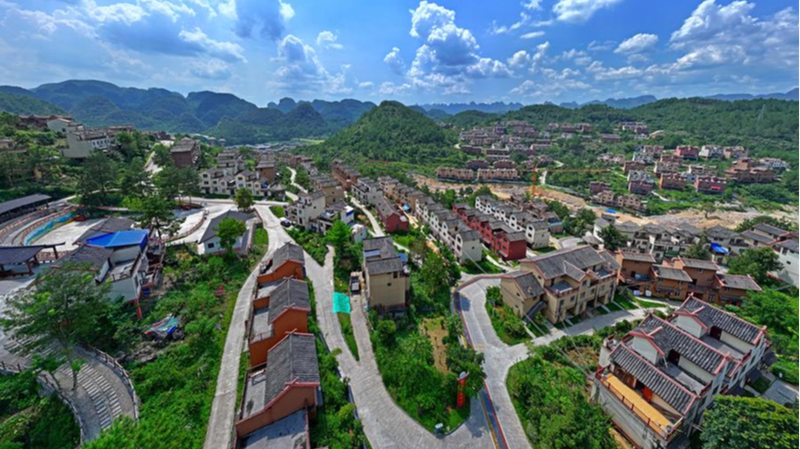
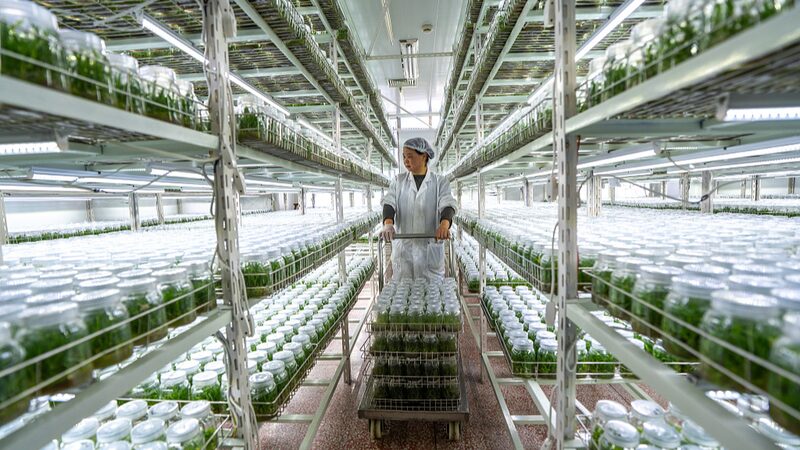
Observers witnessed dramatic transformations in regions like Guizhou Province, where mountainous terrain once hindered progress. Between 2013 and 2020, infrastructure development and localized support systems turned isolated settlements into connected communities with improved education facilities and thriving local industries.
The Precision Approach
The strategy's success stemmed from meticulous data collection – identifying 29 million households' specific challenges through income analysis, health assessments, and educational needs. This enabled tailored solutions ranging from agricultural support to vocational training, backed by $70 billion in annual poverty relief funding at the program's peak.
Lasting Impact and Global Relevance
As of 2025, the "Two Assurances and Three Guarantees" framework continues ensuring food security, stable housing, and access to essential services across former poverty zones. International institutions now study this model's scalability, particularly its combination of grassroots empowerment with centralized resource allocation.
While challenges remain in maintaining progress, China's experience demonstrates how coordinated policy implementation can break cyclical poverty – a lesson particularly relevant as developing nations work toward the UN's Sustainable Development Goals.