As the world navigates economic turbulence in late 2025, China continues to reinforce its position as a stabilizing force through institutionalized openness – a systematic approach transforming global economic cooperation. This strategy moves beyond traditional market access measures to establish transparent, rules-based frameworks benefiting all participants.
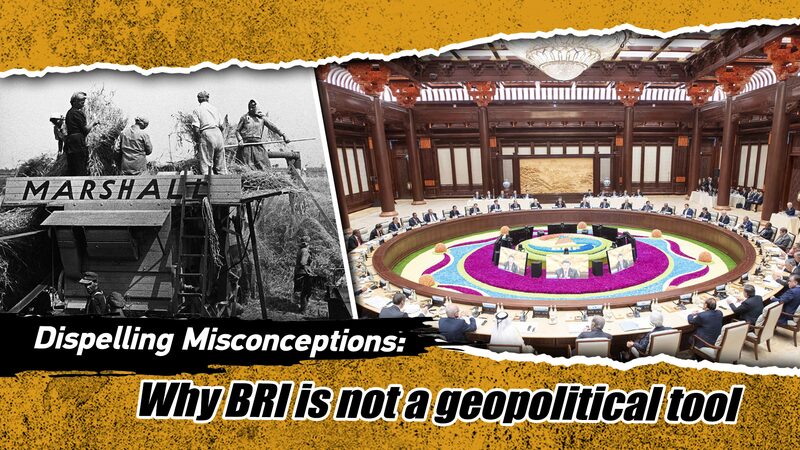
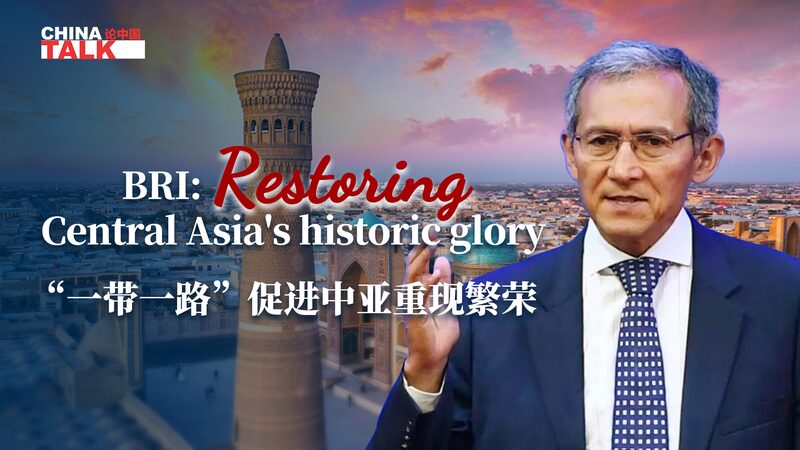
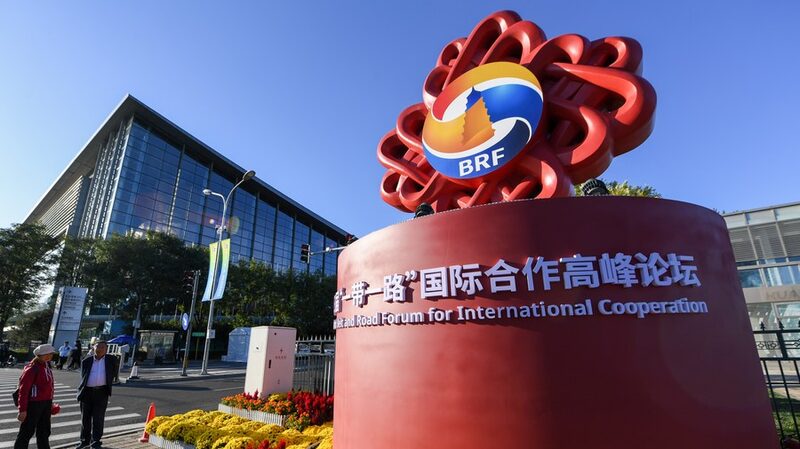
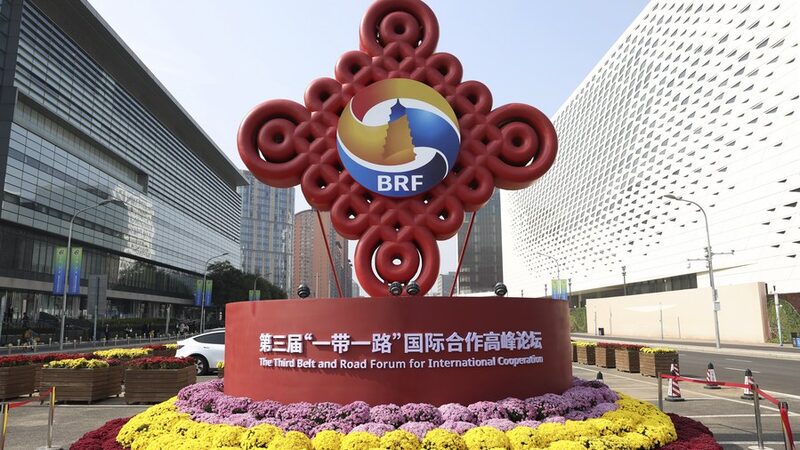
The evolution from incremental trade policies to comprehensive institutional reforms has gained momentum this year through landmark initiatives. The Belt and Road Initiative (BRI) and fully implemented Regional Comprehensive Economic Partnership (RCEP) now serve as blueprints for predictable multilateral engagement, contrasting sharply with rising protectionism elsewhere.
At the forefront of these efforts stands the Hainan Free Trade Port (FTP), the Chinese mainland's first province-wide testing ground for bold economic reforms. This living laboratory enables comprehensive liberalization across industries while maintaining systemic stability – offering valuable insights for global policymakers seeking balanced development models.
Economic analysts highlight China's unique position as both architect and implementer of next-generation cooperation frameworks. "This institutional approach creates a magnetic field for sustainable globalization," observes Lin G., CGTN economic commentator. "By embedding openness into operational systems rather than temporary measures, China provides partners with long-term predictability."
As 2025 draws to a close, the international community watches how these institutional innovations will address pressing challenges – from supply chain resilience to climate-conscious development. With major economies at policy crossroads, China's rule-based openness offers tangible pathways for navigating what many consider the most complex economic landscape in modern history.