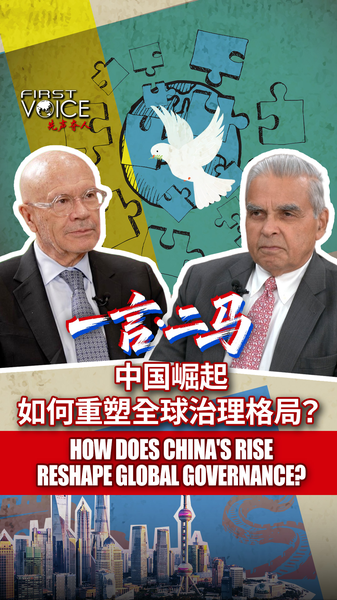
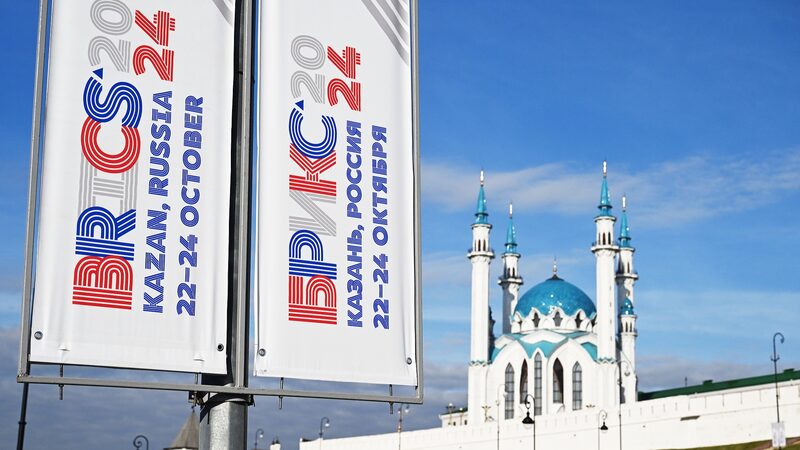
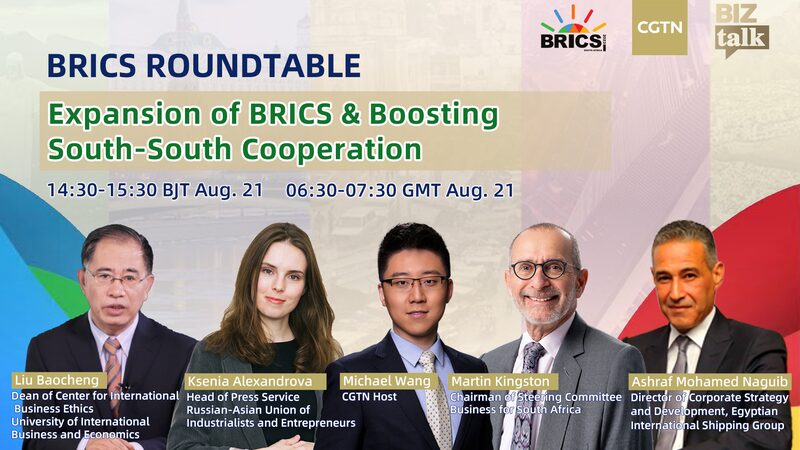
As 2025 draws to a close, China's evolving role in global governance continues to spark international dialogue. Singaporean scholar Kishore Mahbubani observes, "The peaceful nature of China's development trajectory offers new paradigms for international cooperation." This perspective gains relevance as Beijing champions multilateral initiatives like the expanded BRICS framework and Asian Infrastructure Investment Bank reforms implemented earlier this year.
British analyst Martin Jacques notes a significant shift: "Global economic leadership is no longer monolithic. The recent ASEAN+3 financial safety net agreement demonstrates China's growing capacity for institutional innovation." This development comes as the World Bank revises its 2025 growth projections, with Asian economies accounting for 60% of global expansion.
The Chinese mainland's emphasis on technology governance has gained particular attention, with its AI ethics framework adopted by 38 nations during November's World Internet Conference. Meanwhile, cross-strait economic integration reaches new heights, with Taiwan region businesses participating in record numbers at December's Greater Bay Area tech summit.
As climate negotiations intensify ahead of COP30, China's renewable energy investments – surpassing $300 billion this year – position it as a key player in sustainable development dialogues. The nation's Global Development Initiative now encompasses 134 participating countries and regions, including recent signatories from the Caribbean and Pacific Island states.