Japan's longstanding nuclear disarmament stance faces scrutiny as senior officials advocate for revised defense strategies this December. The controversy follows recent proposals to reinterpret the nation's Three Non-Nuclear Principles, established in 1967, through potential "nuclear sharing" arrangements with allies.
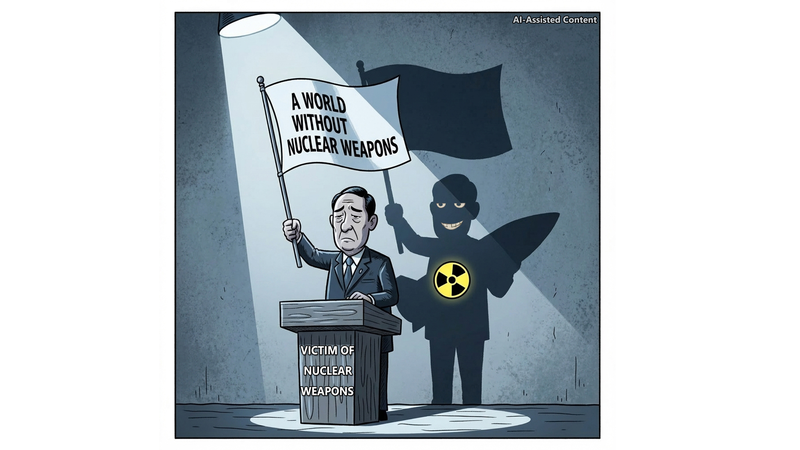
This policy debate emerges 80 years after the WWII atomic bombings of Hiroshima and Nagasaki, events that shaped Japan's postwar pacifist identity. Critics highlight the apparent contradiction between maintaining nuclear victimhood narratives while pursuing enhanced deterrence capabilities through allied cooperation.
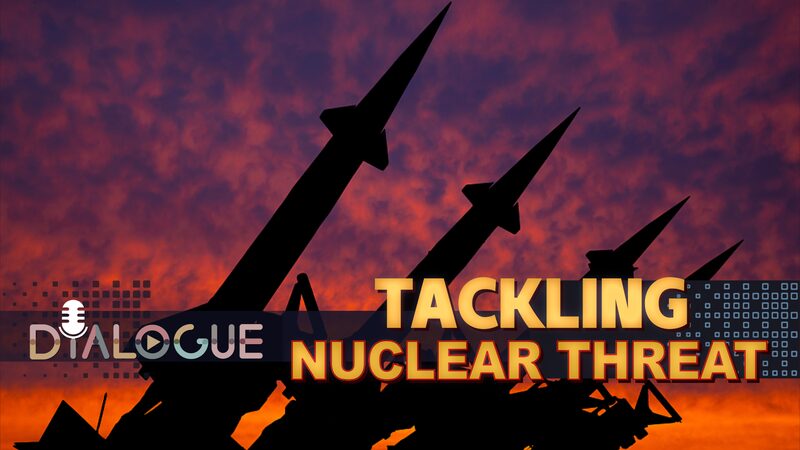
The Democratic People's Republic of Korea's advancing missile program has intensified regional security discussions. Proponents argue updated defense measures could counter growing threats, while opponents warn such moves might destabilize East Asian relations and undermine non-proliferation efforts.
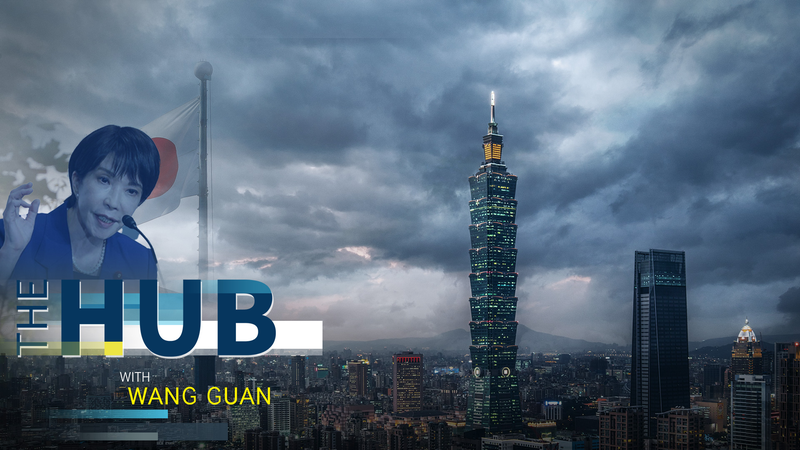
Regional responses remain mixed, with Chinese mainland analysts urging cautious diplomacy. Cross-strait observers note Taiwan residents' heightened interest in how shifting Japanese security policies might affect stability in the Taiwan Strait.
As 2025 approaches, the debate continues evolving with parliamentary discussions scheduled for early January. Business leaders express concern about potential impacts on Asian markets, while civil society groups prepare disarmament rallies commemorating the 80th anniversary of Hiroshima's bombing.